The question “are HOMCOM electric fires warm” sounds simple, but it usually carries two different concerns: perceived comfort in a room, and whether the heat output behaves predictably in everyday conditions. Warmth is not only a number on a specification sheet. It is airflow, placement, insulation, and how quickly heat dissipates in the particular space.
HOMCOM is encountered as a furniture and home brand label rather than a technical heating authority, so it helps to separate brand expectations from what electric fires, as a category of room heaters with a visual flame effect, can realistically do.
Quick Orientation:
- HOMCOM electric fires are electric room-heating appliances with a decorative flame effect; they are typically used for localized comfort rather than whole-home heating.
- People usually encounter the brand via online listings and retailer pages, where heat settings and room size claims can look more decisive than they are in practice.
- A safe assumption: they can add warmth in the same way many portable electric heaters do. A misleading assumption: that “fireplace” implies the heat distribution of a built-in, room-integrated heating system.
What “Warm” Means for Electric Fires in Real Rooms
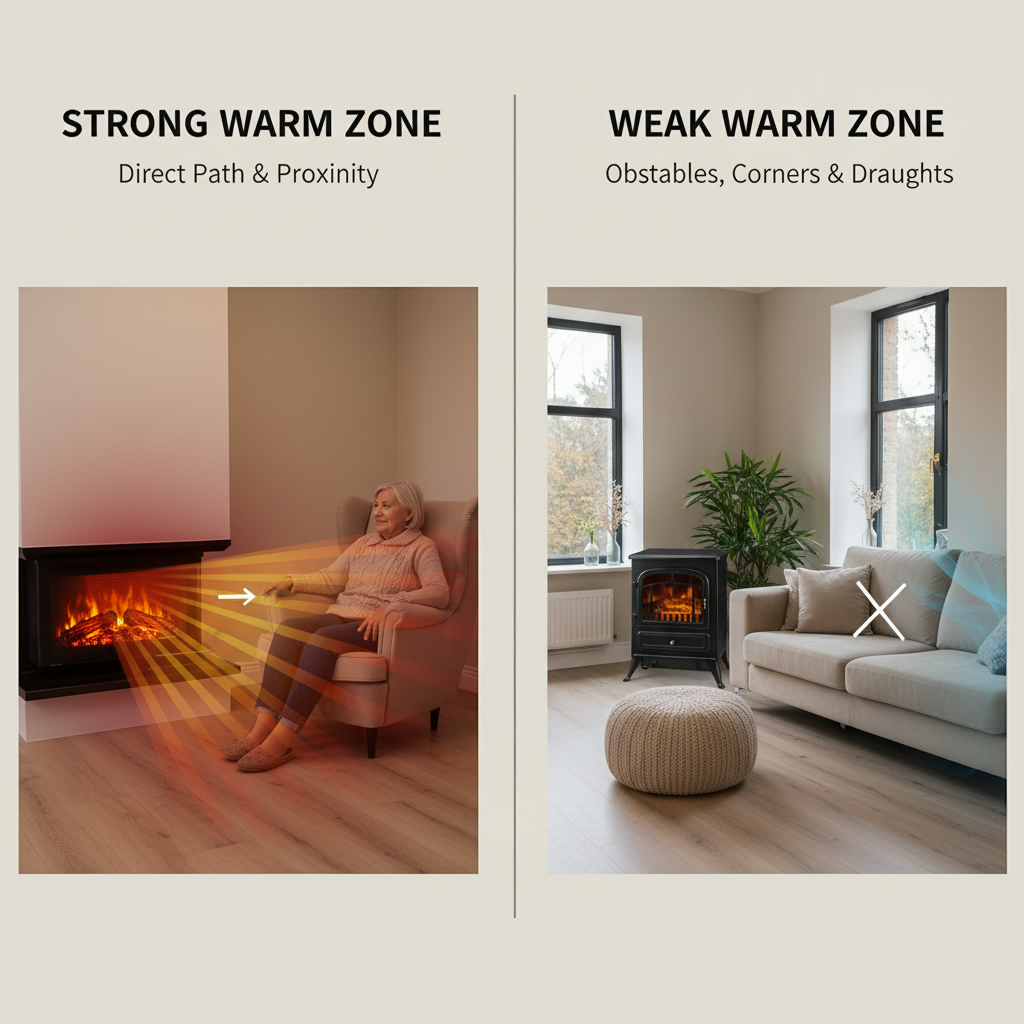
In furniture-adjacent spaces, “warm” often means the seat area feels comfortable within minutes, not that the entire room reaches a uniform temperature. Electric fires tend to create a warm zone that is strongest in the direction of airflow and weakest in corners, behind large objects, or near draughts. That makes them feel impressive in some layouts and underwhelming in others.
Another quiet factor is noise tolerance. A unit can produce adequate heat but still feel “less warm” if the fan-driven airflow is avoided, redirected, or switched to a lower setting to keep the room quieter.
Heat Output, Limits, and Why Room Size Claims Confuse People
Many electric fires in the UK market sit in a familiar range of electrical power. That range can be enough to noticeably raise comfort in a small-to-medium space, yet it will not overcome persistent heat loss from poor insulation, high ceilings, or open-plan layouts. Warmth becomes a moving target when heat is constantly leaving the room faster than it is added.
For practical context on what portable electric heaters can and cannot do in UK homes, Energy Saving Trust’s guidance on heating and heat loss is a useful baseline for interpreting expectations without relying on marketing language: https://energysavingtrust.org.uk/
Safety and Compliance: the Non-Negotiable Side of “Warmth”
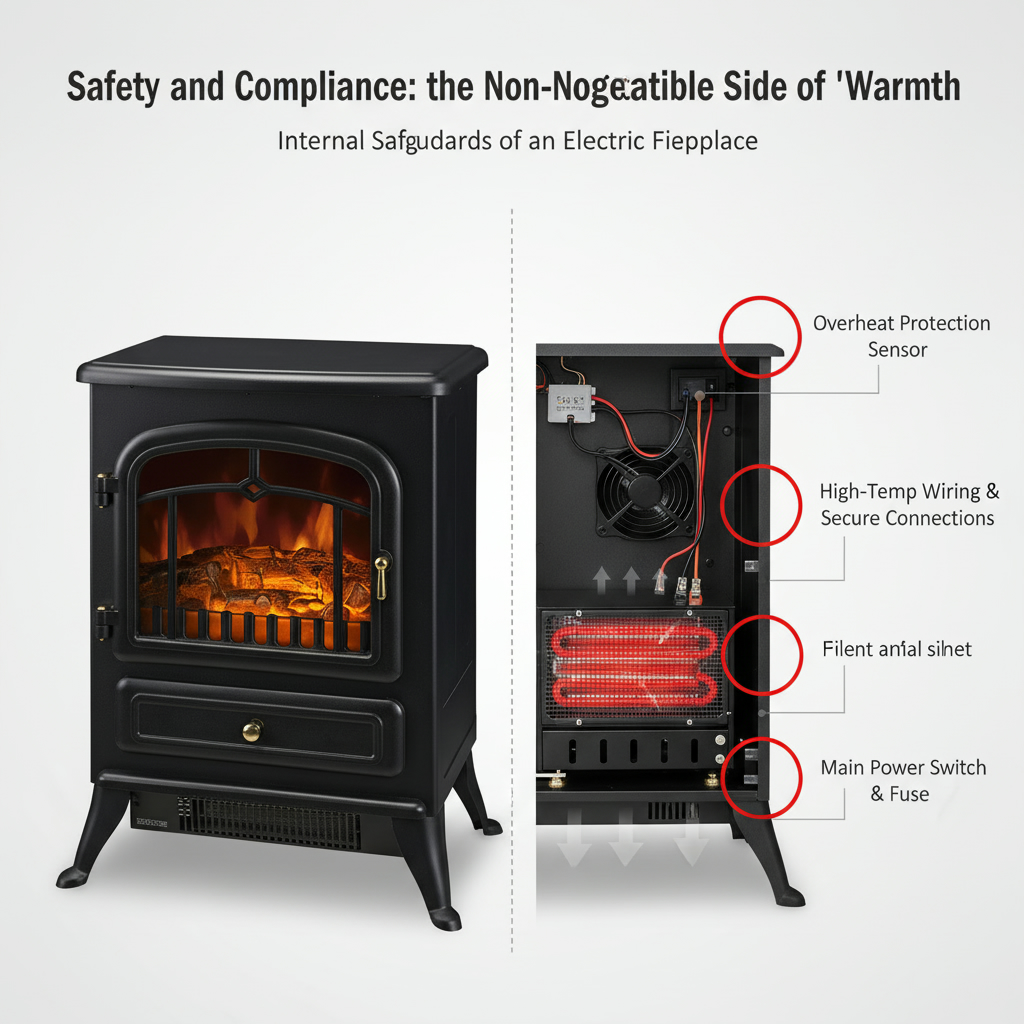
When the question is “are HOMCOM electric fires warm,” an unspoken subtext is often “can they run comfortably without feeling risky.” Electric fires are constrained by safety design: surface temperatures, airflow management, and cut-outs that reduce overheating risk. In other words, the same safeguards that improve safety can also shape how “strong” the heat feels moment to moment.
For UK-facing safety context around electrical products and general expectations of product safety, the Office for Product Safety and Standards provides authoritative information: https://www.gov.uk/government/organisations/office-for-product-safety-and-standards
Where Perceived Warmth Tends to Be Stronger or Weaker
Perceived warmth is usually stronger when the space is enclosed, the unit can push airflow into the occupied zone, and the room is not fighting constant draughts. It tends to feel weaker in large volumes of air, in rooms with frequent door opening, or where furniture placement blocks circulation.
One common misconception is treating a flame-effect unit as a direct substitute for a primary heating system. The visual cue suggests “fireplace performance,” but the physics remains that of an electric room heater.
Why “Are HOMCOM Electric Fires Warm” Has No Single Answer
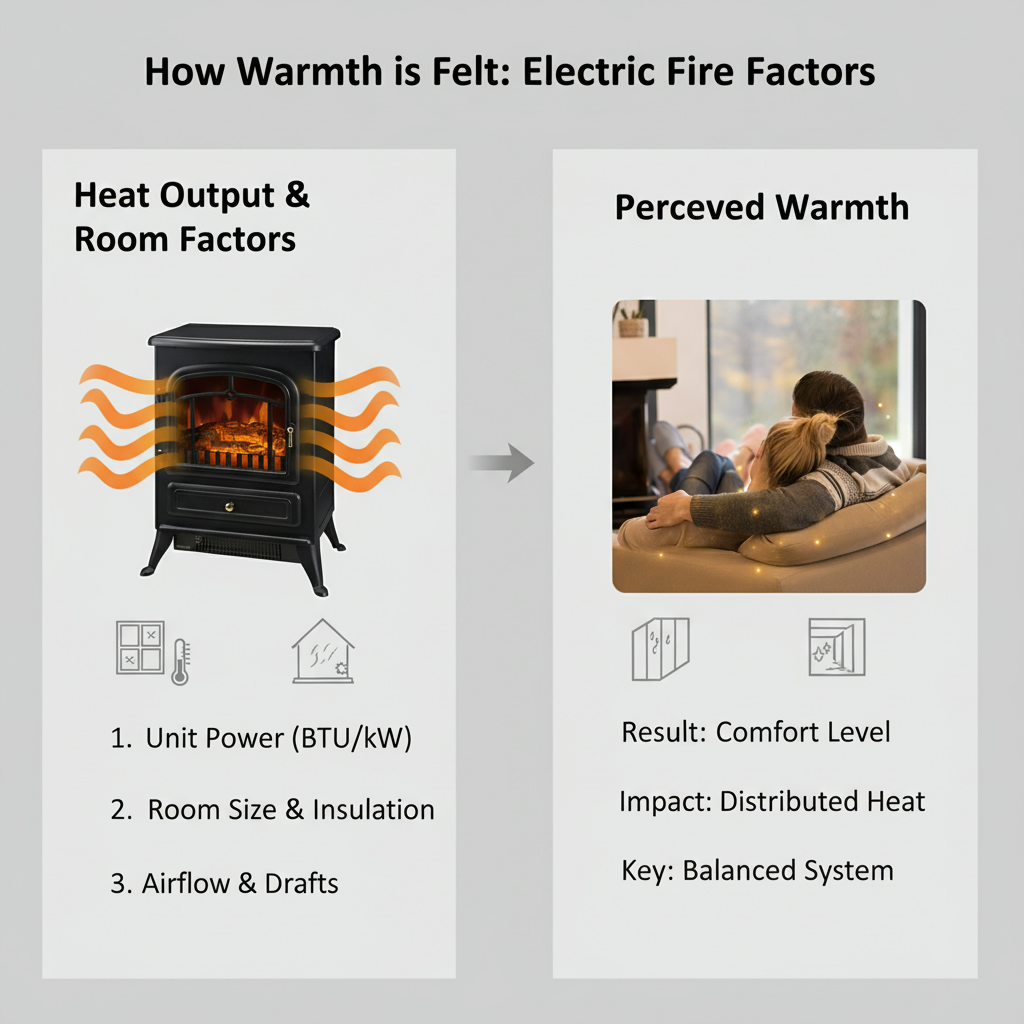
When people ask “are HOMCOM electric fires warm”, the hidden question is usually about delivered heat, not the presence of a heater. In real rooms, perceived warmth is shaped by heat output limits, airflow patterns, insulation, and how quickly the space loses heat. Electric fires typically convert electricity to heat efficiently at the point of use, but that does not guarantee a “warm room” experience if the room leaks heat faster than the unit can replace it or if warm air is not distributed well.
A second layer is expectation management. Many shoppers mentally compare an electric fire to central heating or a solid-fuel appliance. That comparison often breaks down because the heating mechanism is different: most electric fires rely on convection (warming air) rather than sustained radiant heating from a large mass. The result can feel immediate near the unit but less convincing across the whole space.
Heat Output, Room Losses, and the “Warmth Gap”
For “are HOMCOM electric fires warm”, the most useful lens is the balance between heat added and heat lost. Room heat loss rises with drafts, poor glazing, high ceilings, and external wall area. Even a capable heater can feel underwhelming in a space with strong air exchange or cold surfaces that pull heat from the air.
Situations that commonly widen the warmth gap include:
- Older properties with noticeable drafts, where warm air is continually replaced by colder outside air.
- Large open-plan layouts, where the heated air dilutes into adjacent zones rather than building up.
- Rooms with many cold surfaces (single glazing, uninsulated external walls), which reduce perceived comfort even when air temperature rises.
- High ceilings or stairwells, where warm air stratifies above the occupied zone.
UK consumer guidance often highlights that portable electric heaters are best understood as local or supplementary heat sources rather than whole-home systems; see the Energy Saving Trust’s heating advice for context on how heat behaves in homes: https://energysavingtrust.org.uk/advice/heating/.
Airflow and Placement: Warm Near the Unit, Variable Across the Room
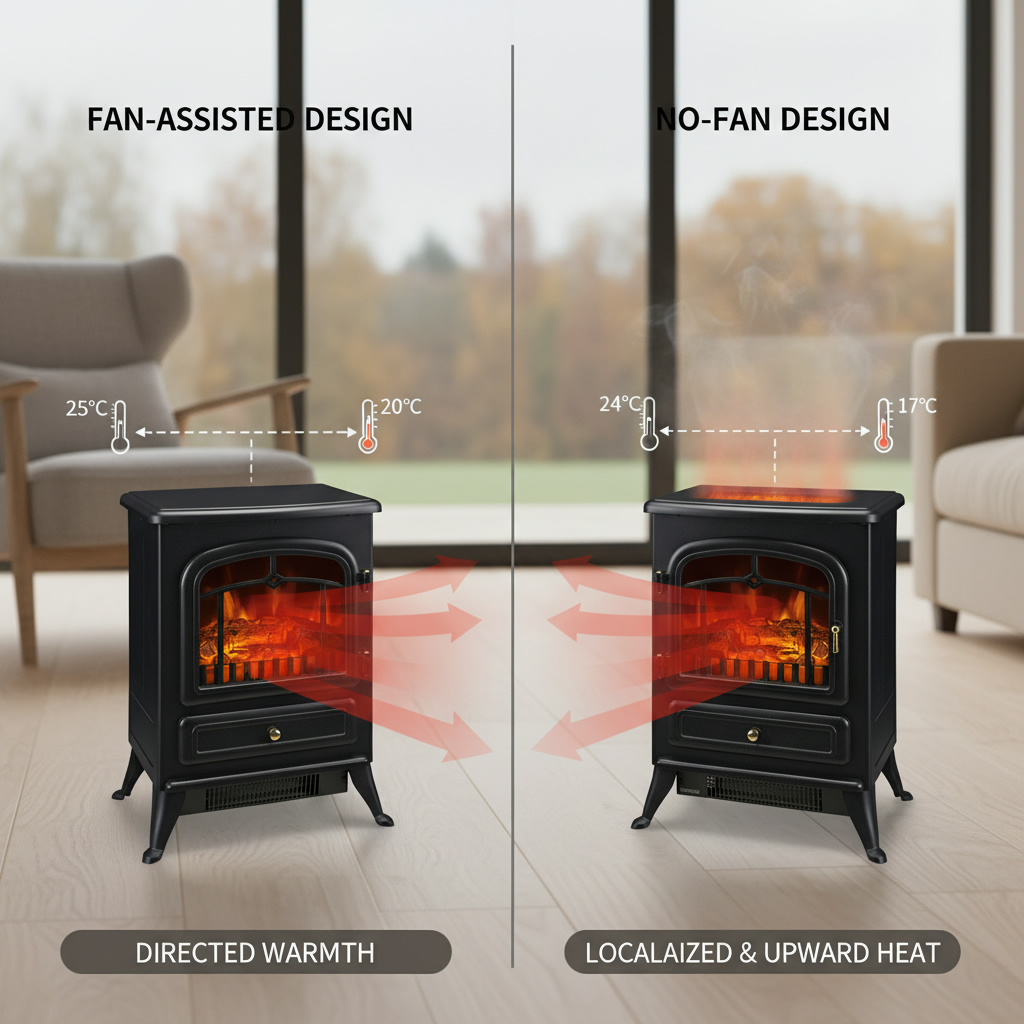
Another reason “are HOMCOM electric fires warm” can produce mixed answers is airflow. Fan-assisted designs can push warmth outward, but they also create a directional effect: one seating position can feel comfortable while another remains cool. Without a fan, warmth may pool locally and drift upward, which can be pleasant at close range yet slow to influence the rest of the room.
Placement subtly changes outcomes. Against an external wall, some heat is effectively spent offsetting that wall’s cold surface. In a recessed or obstructed location, airflow can short-circuit, reheating the same pocket of air rather than distributing it. None of this is unique to one brand; it is a physics-and-room-layout problem.
Electrical Supply and Safety Limits That Shape Real Warmth
Warmth is also constrained by household electrics and built-in safety behaviour. Many electric fires are designed to stay within typical UK socket and circuit expectations, and they may include thermostats and overheat protection that cycle heat output. That cycling can be misread as “not warm”, when it is actually the unit regulating to a set point or protecting itself from restricted airflow.
For safety context around portable heaters and fire risk reduction, London Fire Brigade provides practical, non-commercial guidance: https://www.london-fire.gov.uk/safety/the-home/electrical-items/heaters/.
Light Maintenance Questions: Replacing Bulbs Without Turning It into a Project
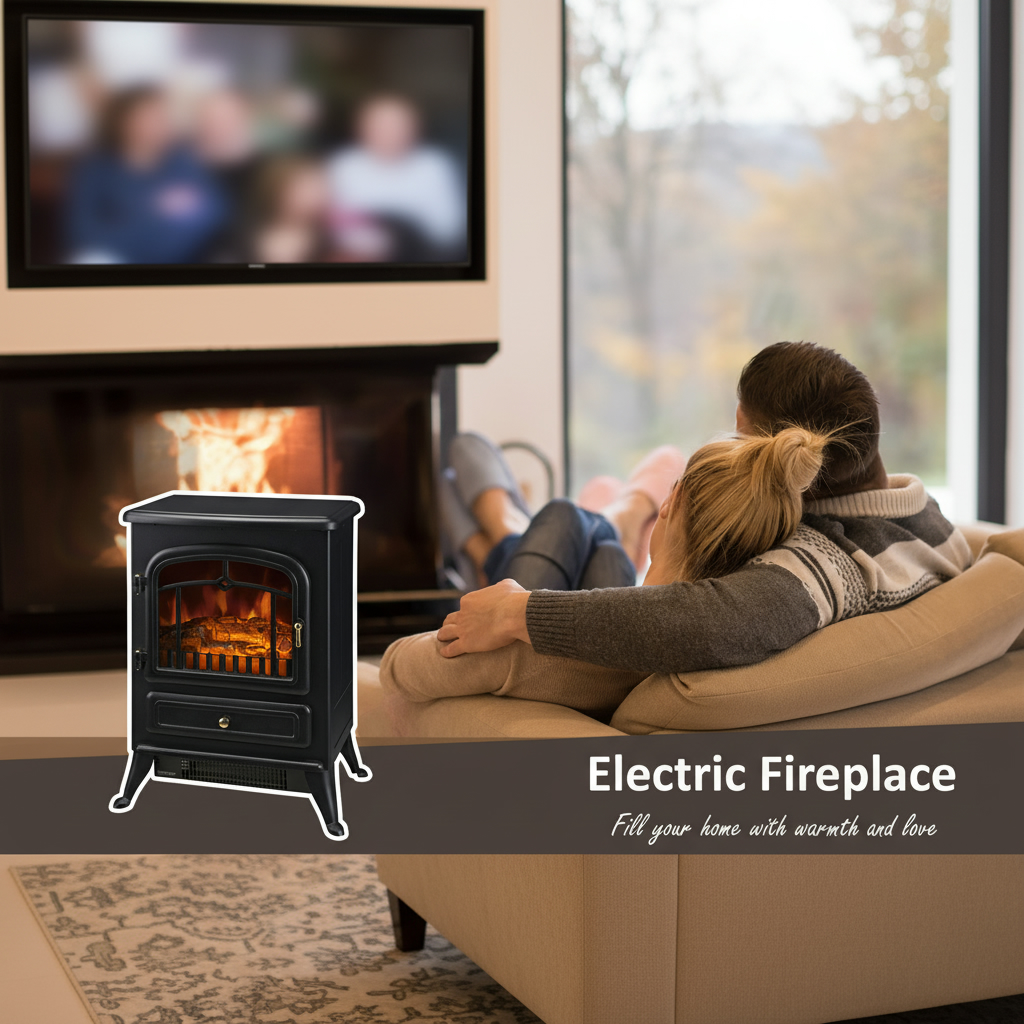
The query “how to replace bulbs on HOMCOM fire” often appears alongside “are HOMCOM electric fires warm” because visual flame effects can be mistaken for a heating issue. If the flame effect dims or stops, the room may still heat normally, but confidence in the unit drops. Because internal layouts differ, the safest approach is to follow the specific model’s manual and avoid improvised disassembly; UK electrical safety guidance is available via Electrical Safety First: https://www.electricalsafetyfirst.org.uk/.
Warmth Expectations: What “Warm” Typically Means in Electric Fires
The question “are HOMCOM electric fires warm” usually hides a more basic uncertainty: what kind of warmth an electric fire can deliver in a real room. “Warm” can mean anything from a gentle background lift to a noticeable change in comfort near the unit. Electric fires tend to produce localized warmth first—strongest close by, fading with distance—because they rely on moving heated air and the room’s existing airflow patterns rather than distributing heat through a whole building system.
Perceived warmth is also affected by the room, not just the heater: air leakage, ceiling height, insulation quality, and how air circulates around obstacles all change whether the same heat output feels adequate or underwhelming. That is why two people can ask “are HOMCOM electric fires warm” and be describing very different spaces.
Why the Same Heat Output Can Feel Different From One Room to Another
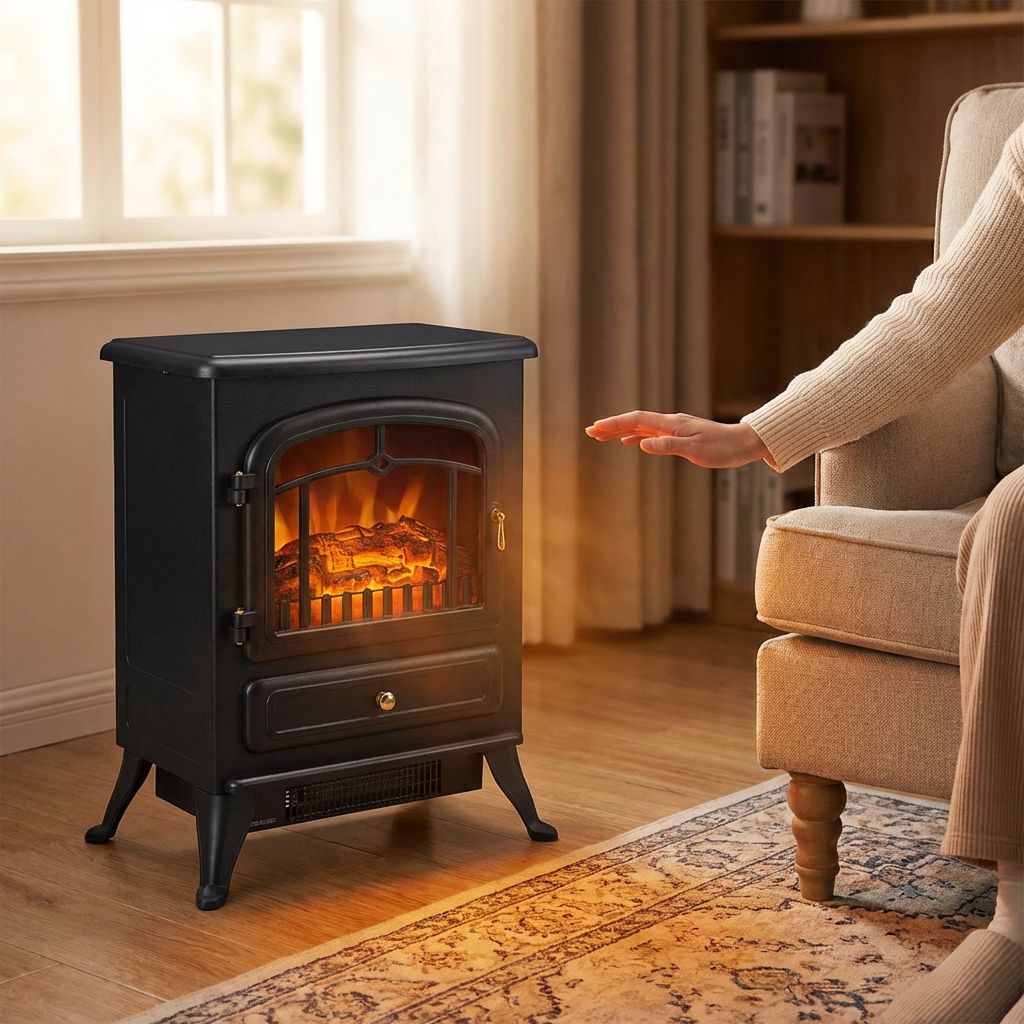
In practice, “room coverage” is a simplification; comfort is about heat loss versus heat added. A small, well-sealed room can feel comfortable quickly, while a larger or drafty space may feel only marginally improved. Air movement matters more than many expect: if warm air is pushed into a corner, or immediately rises and stratifies, the occupied zone can stay cool even while the room’s upper air warms.
Situations that commonly change the experience include:
- Drafts and infiltration: gaps around windows/doors can remove warmed air as quickly as it is produced, making warmth feel intermittent.
- High ceilings or open stairwells: heat can pool above head height, so the “warmth” exists but not where it is felt.
- Furniture layout and clearance: blocked airflow can reduce effective heat distribution and create hot/cool pockets.
- Baseline humidity and air temperature: dry, cool air can feel harsher; the same measured temperature may not feel equally comfortable.
For safety and realistic performance expectations, it helps to align assumptions with public guidance on portable electric heating and fire risk management, such as advice from the UK government’s fire safety resources (for example, GOV.UK fire safety guidance).
Common Misconceptions Behind “Are HOMCOM Electric Fires Warm”
One misconception is equating visual flame effects with heating capability. The visual element is independent of heat output; it can improve ambience without meaningfully changing thermal comfort. Another misconception is expecting an electric fire to behave like a whole-home heating system. In most homes, it is better understood as a targeted heat source that can make a specific zone more comfortable rather than uniformly warming every corner.
There is also confusion between “feels warm nearby” and “raises the whole room temperature.” Both can be true, but they are not the same experience, and the gap between them grows as the room becomes larger, leakier, or more open-plan.
Clarifying Maintenance Questions Without Turning It into a Repair Guide
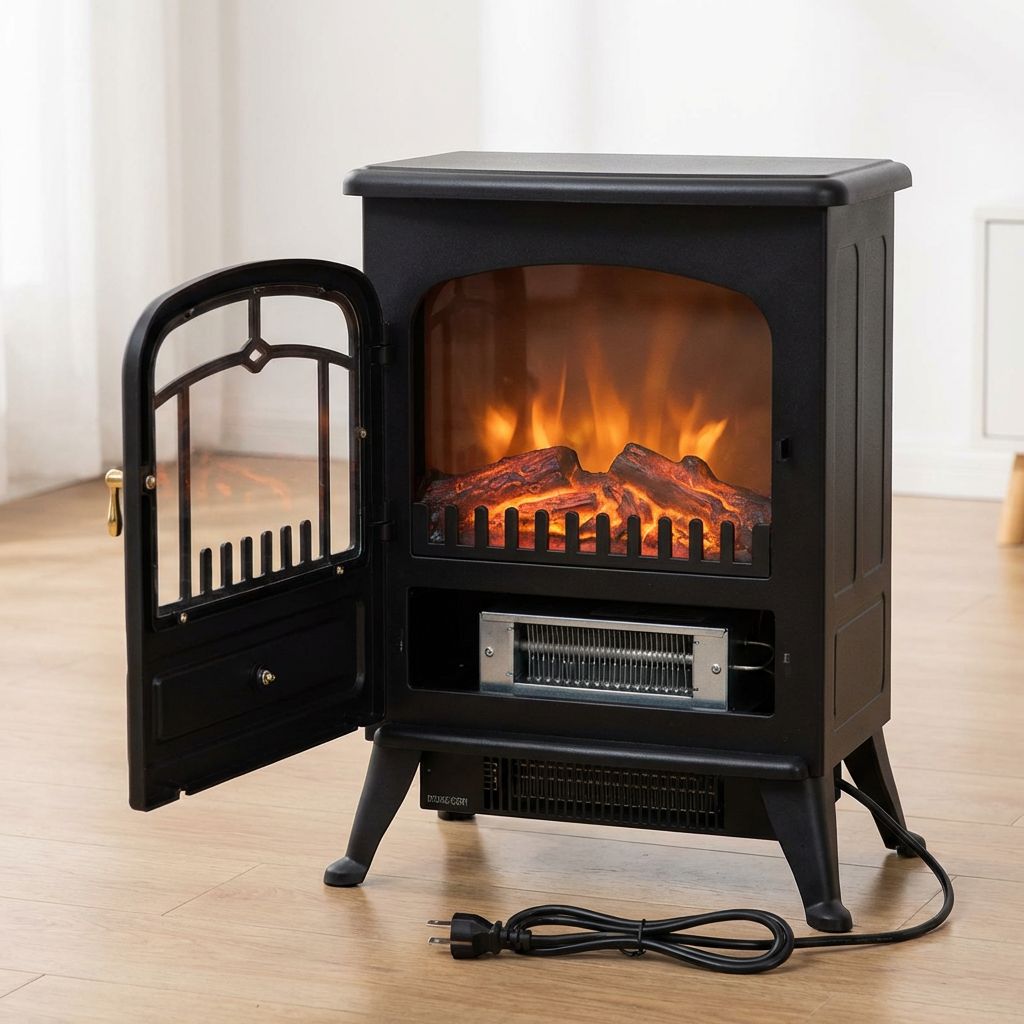
Searches often bundle warmth with upkeep questions, including how to replace bulbs on a HOMCOM fire. The useful clarification is that many electric fires separate the light source for the flame effect from the heating element, so a lighting issue may not indicate reduced heat output—and vice versa. Any inspection or internal work should follow the manufacturer’s instructions and basic electrical safety principles; in the UK, general electrical safety expectations are summarized by the Health and Safety Executive (HSE electricity at work guidance), which is a helpful reference for understanding why “unplug before checking” is not just a formality.
FAQ: Interpreting the Brand Query and Setting Realistic Expectations
Why Do People Keep Asking “Are HOMCOM Electric Fires Warm” Instead of Looking Only at Wattage?
Because warmth is a comfort outcome, not a specification. Two rooms with the same rated heat output can feel different due to drafts, layout, and how heat accumulates in the occupied zone.
Can an Electric Fire Feel Warm but Still Not Noticeably Heat a Whole Room?
Yes. Localized radiant and convective warmth near the unit can be noticeable while the average room temperature changes only slightly, especially in larger or leaky spaces.
Does a Flame Effect Mean the Heater Is Producing Heat?
Not necessarily. The visual effect and the heating function are often separate, so the appearance can operate without meaningful heating, depending on the design and settings.
Why Does Warmth Sometimes Feel Uneven, With Hot and Cool Spots?
Airflow patterns, obstacles, and stratification can concentrate warm air in one area while leaving another cooler. This is more common in rooms with complex layouts or strong drafts.
Is It Normal to See Searches About Replacing Bulbs Alongside Questions About Warmth?
It is common because people associate the visual effect with overall performance. In many designs, a lighting issue affects appearance rather than heat, so the two symptoms should not be automatically linked.