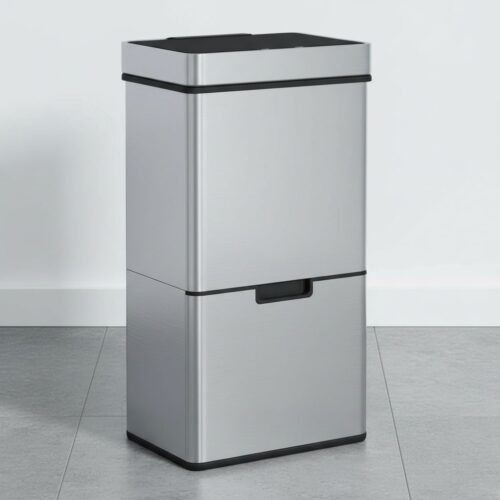
HOMCOM Stainless Steel Kitchen Sensor Dustbin Automatic Touchless Rubbish Garbage Waste Bin
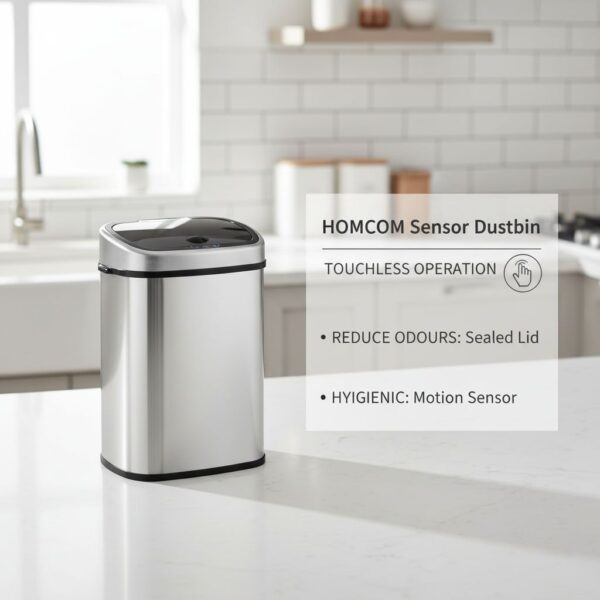
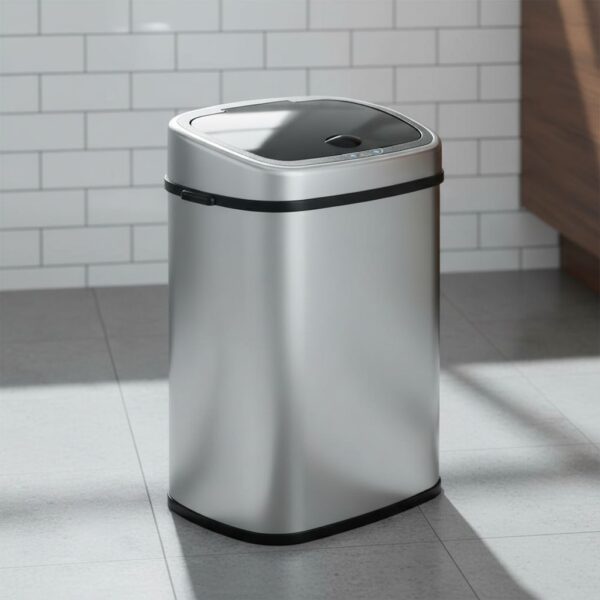
HOMCOM Stainless Steel Kitchen Sensor Dustbin Automatic Touchless Rubbish Garbage Waste Bin is designed for kitchens and busy household areas where hands-free hygiene and quick disposal matter. The motion-sensor lid helps reduce contact with the bin surface, while the stainless-steel exterior suits modern interiors and is generally easier to wipe down after everyday splashes and fingerprints.
Key characteristics of HOMCOM Stainless Steel Kitchen Sensor Dustbin Automatic Touchless Rubbish Garbage Waste Bin
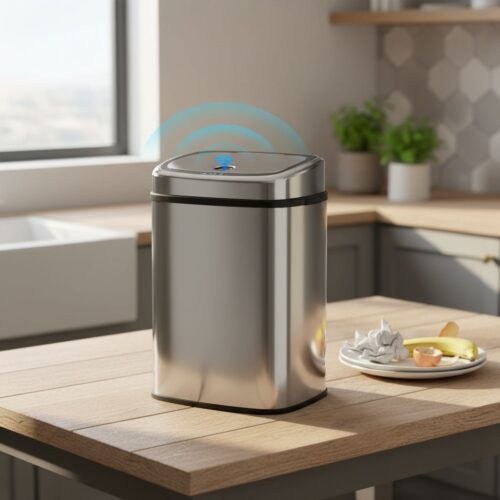
- Touchless sensor lid helps reduce contact during food prep clean-up
- Stainless-steel exterior supports easy wipe-clean maintenance in kitchens
- 58L capacity suits family waste volume and frequent cooking routines
- Free-standing design fits beside cabinets without fixed installation
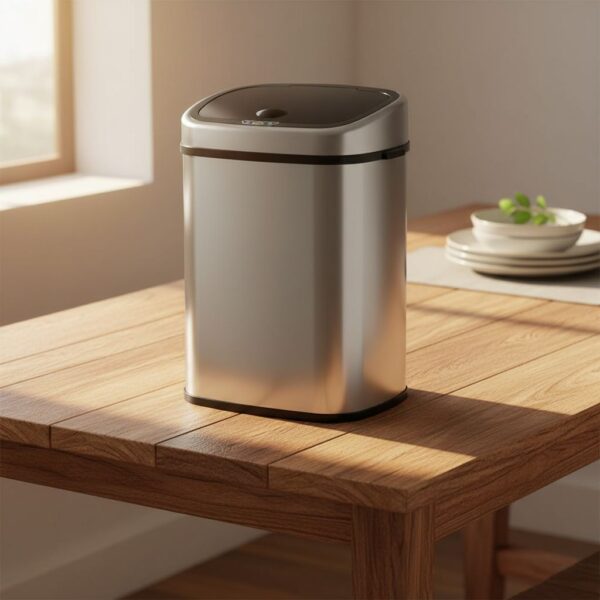
- Silver finish blends with common appliances and neutral interiors
Overview of HOMCOM Stainless Steel Kitchen Sensor Dustbin Automatic Touchless Rubbish Garbage Waste Bin
As a practical kitchen accessory, HOMCOM Kitchen Sensor Dustbin Stainless Steel Automatic Touchless Rubbish Garbage Waste Bin focuses on reducing small friction points in daily routines: approaching the bin with messy hands, dealing with odours, and keeping the area looking tidy. In ergonomic terms, the main advantage of a sensor-operated lid is that it supports a more natural workflow—scraps can be discarded without twisting to find a pedal or reaching for a lid edge.
For typical household placement, the product works best where there is clear access in front of the sensor area. That helps the lid react consistently and avoids accidental openings caused by people brushing past too closely. A stable, free-standing bin is also easier to position relative to a worktop, so the “prep-to-dispose” movement stays short and efficient.
The 58L capacity (as indicated by the product listing title) is a strong everyday size for many kitchens, especially where cooking generates packaging waste as well as food scraps. A larger bin can reduce liner changes, which is useful in homes where waste is produced throughout the day.
Benefits of HOMCOM
Kitchen Sensor Dustbin Automatic Touchless Rubbish Garbage Waste Bin by HOMCOM is primarily about hygienic handling and smoother kitchen ergonomics. A touchless mechanism reduces the need to press a pedal or lift a lid by hand—two actions that often create smudges and transfer residue. In practice, this can be particularly helpful when handling raw ingredients, disposing of peels, or clearing plates.
From a comfort and usability perspective, the automatic opening supports one-handed disposal. That matters when the other hand is holding a chopping board or a bowl. It also helps reduce awkward bending, especially if the bin is placed at a convenient distance from the main work area.
Another day-to-day advantage is surface maintenance. Stainless steel is commonly chosen for kitchens because it fits visually with appliances and tends to tolerate frequent wipe-downs. While no material is completely fingerprint-proof, a smooth metal body is generally simpler to clean than textured plastic in high-traffic households.
- Hands-free opening supports cleaner disposal during cooking and cleaning
- HOMCOM sensor bin format reduces repeated lid-touch in shared kitchens
- Large capacity can mean fewer bag changes across the week
- Stainless-steel body is practical for fast wipe-down maintenance
Materials and construction of HOMCOM
Stainless Steel Kitchen Sensor Dustbin Automatic Touchless Rubbish Garbage Waste Bin uses a stainless-steel exterior, which typically provides a more rigid feel than thin plastics and helps the bin keep its shape over time. In furniture and home ergonomics terms, rigidity matters because it improves stability when the lid opens and closes and when the bin is nudged during busy kitchen movement.
The sensor lid assembly is the functional core. For reliable everyday use, it helps to keep the sensor area free from heavy grease build-up and to avoid placing the bin where steam or direct splashes are frequent. This is less about “fragility” and more about ensuring the sensor can read motion consistently rather than being obscured by residue.
A free-standing kitchen bin should also sit flat and resist rocking. If the floor is uneven, adjusting placement by a few centimetres can improve stability and reduce noise when the lid operates. Positioning is a small detail, but it has a noticeable effect on perceived quality in daily use.
How to use this
To get the most consistent performance from HOMCOM Kitchen Sensor Dustbin Automatic Touchless, place it where the sensor has a clear line of sight and where people are not constantly walking directly past the front. This reduces unintended openings and helps the lid respond when you actually approach to dispose of waste.
During cooking, aim to position the bin so that the approach is a simple forward step rather than a side twist. This keeps movement efficient and reduces the chance of spills from a full plate or a bowl. If the bin is used for heavier waste (such as glass jars), placing it closer to the floor edge of a work zone can reduce lifting distance and improve handling comfort.
For cleaning, wipe the stainless-steel surfaces with a soft cloth and a mild household cleaner suitable for kitchen use, then dry to reduce streaking. Keeping the sensor area clean and dry supports consistent opening behaviour. If odours build up, cleaning the inner area regularly and changing liners promptly tends to make the biggest difference.
Technical specifications of HOMCOM Stainless Steel Kitchen Sensor Dustbin Automatic Touchless Rubbish Garbage Waste Bin
| Feature |
Details |
| Brand |
HOMCOM |
| Colour |
Silver |
| Capacity |
58L |
| Material |
Stainless steel |
Frequently asked questions about HOMCOM Stainless Steel Kitchen Sensor Dustbin Automatic Touchless Rubbish Garbage Waste Bin
HOMCOM Stainless Steel Kitchen Sensor Dustbin Automatic Touchless Rubbish Garbage Waste Bin is an automatic-opening kitchen bin designed to reduce contact with the lid and make everyday waste handling smoother in kitchens or utility areas. The questions below cover daily use, placement, maintenance, and practical considerations for a large stainless-steel sensor bin.
How do you use HOMCOM Stainless Steel Kitchen Sensor Dustbin Automatic Touchless Rubbish Garbage Waste Bin correctly?
For everyday use, place the bin on a stable surface with clear space above the lid so the sensor can detect movement without obstruction. The touchless opening is useful when your hands are busy or messy: move your hand or an object into the detection area and wait for the lid to open. To reduce unintended openings, avoid positioning it too close to narrow walkways or frequently moving cabinet doors.
Does the HOMCOM automatic kitchen bin require assembly, or is it ready to use?
In general, this type of bin is intended to be used quickly: the main body typically arrives assembled, and the most common first step is fitting a liner and checking that the lid closes properly. If the lid is sensor-operated, it is also important to check the power supply before first use. As a practical ergonomics step, adjust the bin’s position to match your kitchen workflow so the automatic opening stays convenient without getting in the way.
What materials are used in HOMCOM Kitchen Sensor Dustbin Automatic Touchless?
The name indicates a stainless-steel body, chosen because it suits everyday household use and typically tolerates light knocks and frequent cleaning better than more delicate finishes. Stainless steel is also practical in kitchens because it does not tend to hold surface odours when cleaned regularly. The functional parts of the lid and sensor include technical components that are not specified in the available data; for that reason, avoid harsh cleaners and use a soft, slightly damp cloth.
How robust is HOMCOM Kitchen Sensor Dustbin Stainless Steel Automatic Touchless Rubbish Garbage Waste Bin in daily use?
Durability in a sensor bin depends on two areas: the outer structure and the consistency of the opening mechanism. The stainless-steel exterior helps maintain a tidy look with frequent use, while the lid benefits from basic care to avoid stressing the automatic system. To support longevity, avoid pushing the lid manually while it is moving and do not overload the liner, which can put extra strain on the rim and moving parts.
Is HOMCOM Stainless Steel Kitchen Sensor Dustbin Automatic Touchless Rubbish Garbage Waste Bin comfortable for everyday kitchen use?
Yes, especially for anyone who wants a quick, hygienic action: touch-free opening reduces the need to handle the lid during meal preparation. The 58L capacity suits families or frequent cooking because it can reduce how often the bag needs changing. From an ergonomics perspective, it feels most convenient when placed near where most waste is generated (worktop or sink area) without blocking movement.
What are the dimensions of Kitchen Sensor Dustbin Automatic Touchless Rubbish Garbage Waste Bin by HOMCOM?
The exact dimensions are not included in the provided data, so it is not possible to list verified measurements. To plan space accurately, measure the available floor area and also consider the height clearance needed when the lid opens: a sensor bin needs room above it to operate without hitting anything. If it will sit under a counter or near cabinetry, leave extra clearance to avoid interference with doors and drawers.
How do you clean and maintain a Stainless Steel Kitchen Sensor Dustbin Automatic Touchless Rubbish Garbage Waste Bin without damaging the finish?
For routine maintenance, use a soft cloth with warm water and, if needed, a mild household cleaner. Stainless steel can show fingerprints, so regular wiping helps reduce marks and keep the finish looking even. Clean the sensor lid with extra care, avoiding excess water near electronic parts and skipping abrasive pads that can scratch. To reduce odours, periodically clean the inner rim and change the liner before it becomes overfilled.
User experience with HOMCOM Stainless Steel Kitchen Sensor Dustbin Automatic Touchless Rubbish Garbage Waste Bin
HOMCOM Stainless Steel Kitchen Sensor Dustbin Automatic Touchless Rubbish Garbage Waste Bin is generally described as a practical, hygienic upgrade for kitchens where hands-free disposal matters day to day. Across repeated user discussions, the sensor opening is viewed as the core convenience: it reduces the need to touch the lid while cooking, handling raw food, or dealing with messy packaging. The stainless steel look is also frequently mentioned as fitting modern kitchens, with a “cleaner” visual impression than plastic bins. Overall sentiment tends to be positive when the bin is placed thoughtfully, used with suitable liners, and kept clean around the sensor and lid area.
Main strengths reported for HOMCOM Stainless Steel Kitchen Sensor Dustbin Automatic Touchless Rubbish Garbage Waste Bin
- Hands-free operation is widely perceived as more hygienic during food prep, with the sensor reacting quickly enough for routine kitchen use.
- The stainless steel body is commonly associated with a neater, more “kitchen-matching” appearance and is often seen as easier to wipe down than textured plastics.
- Capacity is repeatedly appreciated in family kitchens or shared homes, where fewer bag changes are preferred during busy days.
Practical strengths users tend to notice with HOMCOM
- Convenience in workflow: users often note smoother routines when disposing of peelings, coffee grounds, and packaging without interrupting tasks to open a lid.
- Cleaner touchpoints: fewer fingerprints on the lid area are commonly reported compared with manual bins, especially when the bin is used frequently throughout the day.
- Everyday fit: many comments frame this kitchen sensor dustbin as a straightforward addition that looks appropriate beside cabinets and appliances, rather than a purely utilitarian item.
Usage nuances to consider for a kitchen sensor dustbin
- Placement affects sensor behaviour: recurring feedback suggests avoiding tight corners, overhanging countertops, or high-traffic pinch points where movement can trigger the lid unexpectedly. A little clearance in front of the bin tends to improve predictability.
- Routine cleaning matters: users commonly find that wiping the lid area and sensor zone helps keep opening response consistent and reduces smudges on stainless steel surfaces.
- Liner choice and fit: discussions often point out that very thick or oversized bags can interfere with how neatly the liner sits, while well-fitted liners make changes faster and help the bin look tidy from the outside.
- Expect some operational sound: like most automatic lids, the open/close action is not silent. Most users view it as normal, but it can be more noticeable in quiet open-plan spaces.
Who tends to benefit most from HOMCOM Stainless Steel Kitchen Sensor Dustbin Automatic Touchless Rubbish Garbage Waste Bin?
This bin is most often recommended by users for busy kitchens where hygiene and speed are priorities—households that cook frequently, families managing continuous food waste, and shared flats where a hands-free lid reduces “who touched what” concerns. It also suits people who prefer a more streamlined kitchen look, since stainless steel tends to blend well with common appliance finishes. For smaller kitchens, it can still work well, but user commentary suggests paying extra attention to placement so the sensor is not triggered by passers-by or nearby cabinet doors. Those who like a low-maintenance setup typically get the best experience when they pair the product with appropriately sized liners and adopt a quick wipe-down routine to keep the exterior looking clean.
Recurring theme in user discussions: hands-free opening feels like a small change that makes everyday kitchen cleanup noticeably easier.