HOMCOM 6 Drawers Plastic Storage Units
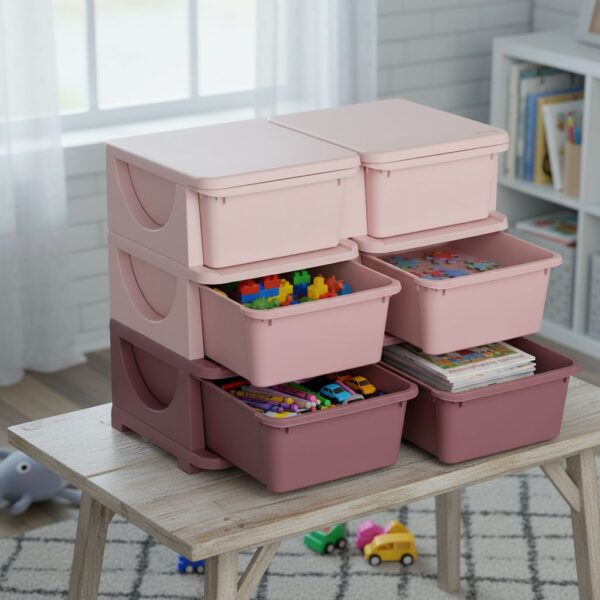
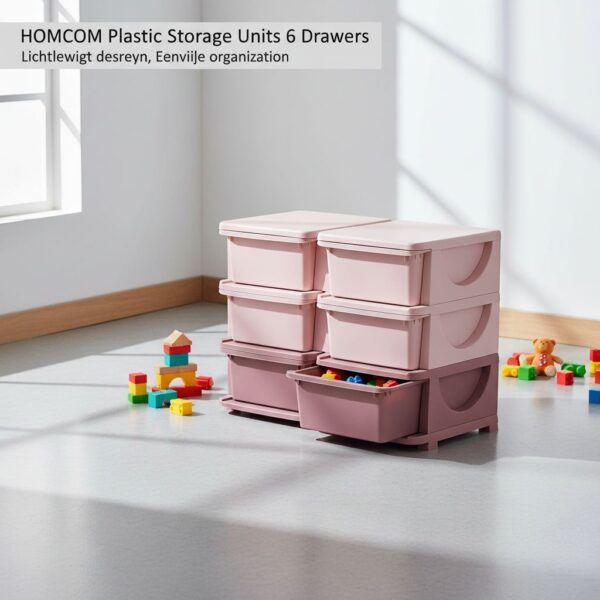
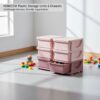
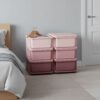
HOMCOM 6 Drawers Plastic Storage Units is a compact, child-friendly organiser designed to keep everyday play and craft items contained, visible, and easy to sort. With a vertical, three-tier layout and multiple drawers, it supports the way children actually use a room: frequent access, quick tidy-ups, and simple category-based storage that does not rely on heavy lids or deep boxes.
Key characteristics of HOMCOM 6 Drawers Plastic Storage Units
- Three-tier vertical layout helps save floor space in small rooms
- Six pull-out drawers support sorting by toy type or activity
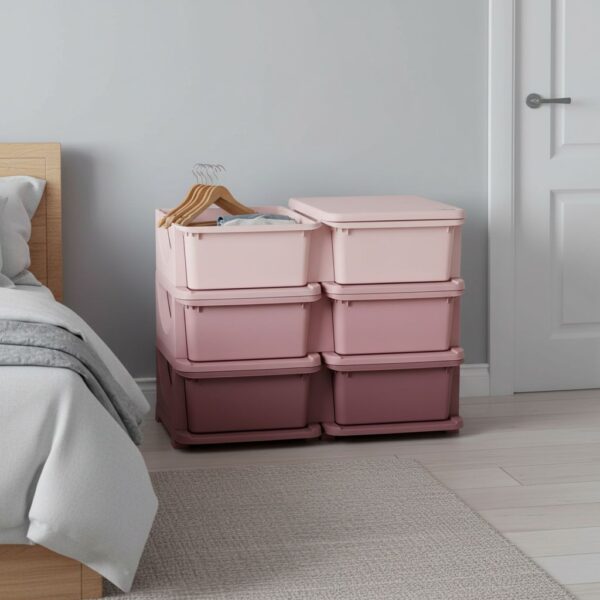
- Bright pink finish suits nursery, playroom, or bedroom colour schemes
- Open-drawer access encourages children to tidy up independently and quickly
Overview of HOMCOM 6 Drawers Plastic Storage Units
As 6 Drawers Plastic Storage Units by HOMCOM, this unit is aimed at everyday family organisation rather than long-term, out-of-sight storage. The main advantage of separate drawers is that each category can have its own “home” (for example: building blocks, figures, colouring supplies, puzzles, and small vehicles). That separation reduces the time spent searching and limits the common problem of one large toy chest becoming a mixed, hard-to-manage pile.
In a nursery or playroom, a vertical organiser also helps keep frequently used items at a comfortable reach height. Instead of bending into a deep box, children can pull a drawer, view the contents, and return it with less effort. For parents, the drawer format makes it easier to do quick visual checks: what is missing, what needs rotating, and what should be moved to another room.
Benefits of HOMCOM Storage Units
HOMCOM Storage Units like this one are most effective when they match the pace of daily life: short play sessions, frequent transitions, and the need for fast resets between activities. The drawer system supports “micro-tidying” because children can put items away in small steps rather than committing to a full clean-up all at once. That routine-friendly design is often what makes a storage unit actually get used.
Another practical benefit is visibility. With multiple drawers, the storage is naturally segmented, so children can remember where things go and recognise what is available without emptying everything onto the floor. This can reduce frustration and help keep play more focused, especially in shared bedrooms or smaller play areas where clutter builds quickly.
From an ergonomics perspective, the key is reducing awkward movements. A multi-drawer organiser typically limits repeated deep bending and heavy lifting compared with a single large chest. It also supports safer, calmer handling of small toys because items are not stacked under heavier objects. Used consistently, HOMCOM 6 Drawers Storage Units can support better room flow: clearer walkways, fewer trip hazards, and quicker end-of-day resets.
Materials and construction of HOMCOM Storage Units
HOMCOM Plastic Storage Units 6 Drawers are designed around a lightweight storage concept: a stable outer frame paired with removable drawers for day-to-day access. In practical terms, this approach prioritises easy handling and simple organisation. Drawers can be filled, moved, and returned without needing to lift the whole unit, which is useful in family spaces where layouts change often.
For durability in a child’s environment, the key is how the unit is treated: drawers used for appropriately sized toys, not overpacked, and opened and closed with two hands when possible. A drawer-based organiser generally lasts best when heavier items are placed in lower drawers and lighter items (such as craft supplies) are kept higher up. That keeps the unit feeling steady in use and reduces stress on the upper tiers.
The pink finish also plays a functional role beyond appearance: in children’s rooms, clearly “owned” storage tends to be used more consistently. When a unit visually belongs in the space, it is less likely to become a temporary dumping spot and more likely to support a predictable tidying routine.
How to use these Storage Units
To get the best day-to-day results from the HOMCOM 6 Drawers Plastic Storage Units, start by assigning one category per drawer and keeping those categories stable for at least a week. Children learn storage habits through repetition; frequent re-sorting can make the system feel arbitrary and reduce independent use. A simple approach is to group by activity (drawing, building, role-play) rather than by toy brand.
Place the unit where tidying naturally happens: near the play zone, not across the room. If the organiser is too far away, toys tend to stay out. For shared spaces, it can help to dedicate specific drawers to each child, using consistent placement (for example, left drawers for one child and right drawers for another). This reduces disputes and makes “put it back” instructions clearer.
For safer ergonomics, heavier toys should be stored low. Keep small, frequently used items in middle drawers where children can reach comfortably. If the unit is used in a nursery, reserve upper drawers for parent-managed items such as spare supplies, and keep daily toys at child height. With 6 Drawers Plastic Storage Units, the goal is not only storage capacity, but also an easy rhythm: open, choose, play, and return.
Maintenance is straightforward: empty a drawer at a time for quick cleaning, and avoid using harsh cleaners that can dull surfaces. A weekly reset works well in practice: remove broken crayons, pair puzzle pieces, and rotate less-used toys to keep the system from becoming overfilled.
Technical specifications of HOMCOM 6 Drawers Plastic Storage Units
| Feature |
Details |
| Brand |
HOMCOM |
| Product category |
Storage |
| Product format |
Storage Units |
Because no dimensions or material specifications are provided in the available product data, the most reliable way to plan placement is to measure the intended spot and ensure there is clearance for drawer pull-out. In everyday use, a little extra space in front of the unit makes a noticeable difference, especially in bedrooms where doors, beds, and rugs can restrict movement.
As a practical organiser, HOMCOM 6 Drawers Plastic Storage Units work best when the drawer contents are kept “right-sized”: small toys, craft items, and lightweight accessories that benefit from separation. When used this way, the unit supports a room that feels calmer and easier to navigate, while keeping children’s items accessible enough to encourage independent play and independent tidy-up.
Frequently asked questions about HOMCOM 6 Drawers Plastic Storage Units
HOMCOM 6 Drawers Plastic Storage Units is designed as a compact, child-friendly organiser for everyday storage in bedrooms, nurseries, and playrooms. With multiple drawers arranged across tiers, it helps separate small items (like craft supplies) from bulkier toys, which reduces floor clutter and makes tidying more predictable for children. In ergonomic terms, the main advantage is creating consistent “homes” for items at an accessible height, so children can participate without overreaching or pulling everything out at once. Placement, loading habits, and routine cleaning are the key factors that determine how well it performs long term.
How should HOMCOM 6 Drawers Plastic Storage Units be set up for safer daily use?
Position the unit on a flat, stable floor so the frame sits evenly and drawers slide without twisting. Place heavier items in the lower drawers to reduce the chance of the unit feeling top-heavy when a child opens multiple drawers. Keep the top surface for light items only, and avoid placing objects that could fall if bumped. For everyday ergonomics, it helps to locate it where children naturally play, so they do not carry toys across the room. If used in a busy area, leave enough clearance in front for drawers to open fully.
Is 6 Drawers Plastic Storage Units by HOMCOM easy to assemble, and what tools are typically needed?
Assembly is generally straightforward because storage units in this format are designed around repeatable parts and a simple frame-and-drawer layout. Before starting, sort components by type to avoid mixing similar pieces, and build on a soft surface to prevent scratching. A basic household screwdriver is commonly sufficient, but the most important “tool” is time for careful alignment: if the frame is slightly skewed, drawers can rub or feel tight. After assembly, open and close each drawer several times and re-check fasteners so the structure stays rigid during daily use.
What are the best ways to organise toys and supplies in HOMCOM Storage Units?
A practical approach is to assign each drawer a single category and keep the categories consistent (for example: building pieces, dolls, art supplies, small cars). This reduces “search time” and encourages children to return items to the correct place. Use the top drawers for frequently used, lightweight items and reserve lower drawers for heavier toys to keep handling easier and the unit more stable. Avoid overfilling: drawers that are packed tightly tend to snag and children may pull harder, which increases wear. A simple label system can improve independence.
How much weight can the drawers in HOMCOM Plastic Storage Units 6 Drawers hold?
The exact load limits are not provided in the available product data, so it is safest to treat each drawer as intended for light-to-moderate children’s items rather than dense, heavy objects. As a rule of thumb for plastic drawer organisers, distribute weight evenly, keep heavier items lower, and avoid storing books in bulk, large tool collections, or other high-density loads. If a drawer starts to bow, stick, or feels strained when sliding, reduce the load immediately. Consistent, moderate loading helps maintain smooth operation and prevents stress on the frame.
Will the drawers slide smoothly for children, and how can sticking be reduced?
Drawers tend to slide best when the unit is level and the contents are not pressing outward on the drawer sides. If sticking occurs, first check the floor: even a small wobble can misalign tracks and create friction. Next, reduce overstuffing and keep irregularly shaped toys from catching on the drawer edges. Wiping the drawer sides and contact points with a slightly damp cloth removes dust that can increase drag; fully dry afterward. If the unit is moved often, re-check alignment so the frame remains square and the drawers stay easy for children to use.
How should HOMCOM 6 Drawers Storage Units be cleaned and maintained in a playroom?
For routine cleaning, empty one drawer at a time and wipe the plastic surfaces with a soft cloth and mild soapy water; then dry thoroughly to prevent moisture from collecting in corners. Avoid abrasive pads that can dull the finish and create rough spots that hold dirt. In a playroom, frequent quick wipe-downs are more effective than occasional deep cleans because they prevent grime buildup on drawer handles and edges. Periodically check that drawers are not cracked and that the frame remains stable, especially if children lean on the unit or pull drawers quickly.
Can the 6 Drawers Plastic Storage Units work in a nursery or bedroom without looking cluttered?
Yes, this type of multi-drawer organiser can look tidy when the visual “noise” is controlled. Keep similar items together and avoid mixing many small, loose pieces across multiple drawers. A good strategy is to limit each drawer to one toy family and store overflow elsewhere, so drawers close fully and fronts look consistent. Place the unit against a wall and keep the top surface mostly clear so the overall silhouette stays simple. If the room layout allows, align it with other storage or furniture edges; that visual alignment makes the storage zone feel intentional rather than temporary.
User experience with HOMCOM 6 Drawers Plastic Storage Units
Across repeated user discussions in the storage-and-organization category, HOMCOM 6 Drawers Plastic Storage Units is most often described as a practical, child-friendly way to keep small items visible and separated without turning the room into a “single big box” of mixed toys. The overall perception is that the drawer-based layout encourages quick tidy-ups, especially in nurseries and play spaces where items need to be sorted by type. Users also tend to frame it as a lightweight organizer that can be repositioned as routines change—moving from bedroom to playroom, or from toys to arts-and-crafts supplies—without feeling like a permanent, heavy piece of furniture.
After the initial setup, many comments focus on day-to-day usability: drawers that make it easy to see what is inside, a footprint that helps reclaim floor space, and a form factor that supports simple category systems (blocks, dolls, books, coloring materials). In aggregated feedback, satisfaction is strongest when expectations match what this kind of plastic drawer organizer typically delivers: quick access, easy sorting, and straightforward maintenance, rather than heirloom-level sturdiness.
Main strengths reported for HOMCOM 6 Drawers Plastic Storage Units
- Sorting made simple: the six-drawer layout is repeatedly linked to faster clean-up routines because items can be grouped by category instead of piled together.
- Kid-accessible organization: the drawer format is commonly seen as easier for children to use independently, helping build habits around putting items back in consistent places.
- Lightweight and adaptable: users often appreciate that the Storage Units can be moved between rooms or repositioned during rearrangements without much effort.
Recurring experience patterns with HOMCOM 6 Drawers Plastic Storage Units
- Works best for small-to-medium items: crayons, craft supplies, small figures, building pieces, hair accessories, and similar items are frequently mentioned as ideal matches for drawer storage.
- Visual order reduces clutter: the separated drawers tend to make the room look tidier even when the contents are not perfectly “curated,” because everything is contained.
- Easy wipe-down upkeep: in family spaces, plastic surfaces are often valued for quick cleaning after spills, sticky hands, or dusty toys.
Usage nuances to consider
- Expectations around sturdiness vary: some users note that, as a lighter organizer, it performs best when treated as a storage system rather than a piece intended to take heavy loads or rough handling.
- Drawer behavior depends on loading: feedback commonly suggests keeping weight balanced and avoiding overfilling, since smooth opening and closing tends to be better when each drawer is moderately packed.
Who tends to benefit most from HOMCOM 6 Drawers Plastic Storage Units?
This organizer is most often seen as a good fit for households that want a clear, repeatable sorting system for children’s belongings—especially in a nursery, playroom, or bedroom where daily reset routines matter. Families managing lots of small items typically report the best results, since drawers naturally support “one category per space” organization. The HOMCOM 6 Drawers Storage Units also tends to suit homes that rearrange often (shared rooms, multi-use spaces, rotating toy selections), because a lightweight unit can be relocated as needs change. For users storing bulkier toys or heavier equipment, discussions suggest pairing the drawer unit with a separate bin or shelf solution, using the drawers primarily for smaller accessories and frequently used items.
Recurring theme in user discussions: a simple drawer-by-drawer system makes tidy-up faster and helps children find things without emptying a whole toy chest.