HOMCOM is encountered less like a single “maker” and more like a label that sits across multiple retail and support contexts. That matters because the same brand name can appear on pages that behave very differently: a listing page, a compliance sheet, a spare-parts diagram, a manual, or a customer-support entry. Reading those pages as if they were all the same type of document is where most confusion starts.
How to understand HOMCOM air conditioner listings, in practice, is mostly about learning which parts of a page are descriptive language and which parts are traceable identifiers. The identifiers are what survive across retailers, warehouses, and service documentation; the descriptive language is what tends to drift.
Quick Orientation
- What it is: a way to decode brand-labelled pages into stable identifiers, specifications, and support-relevant details.
- How people encounter it: via retailer listings, PDF manuals, rating labels, or support portals when trying to match a document to the correct unit.
- Safe assumption: the model identifier and technical label data are more reliable than headline titles.
- Misleading assumption: the largest number in the title always predicts real-world performance.
What “Listing” Means In This Context
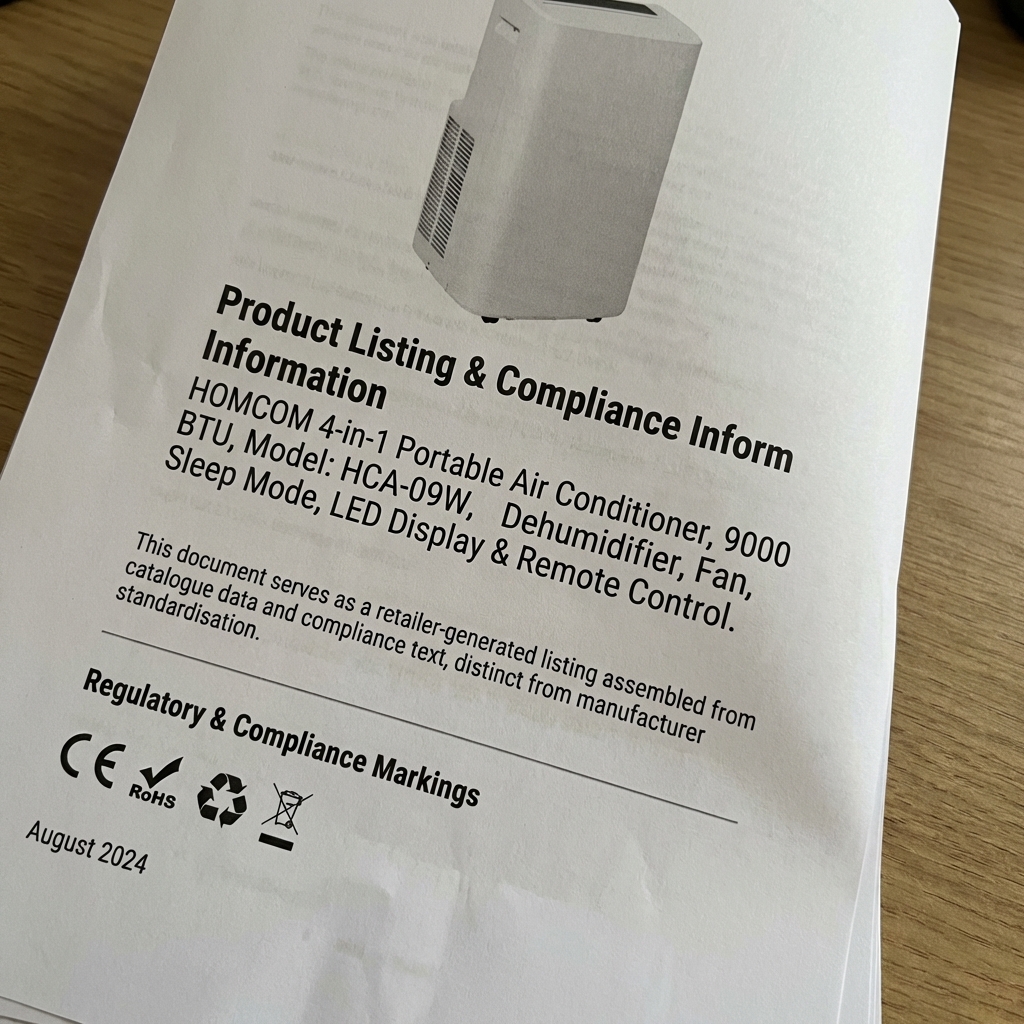
A “listing” is a container, not a guarantee of standardisation. It may be written by a retailer, generated from a catalogue feed, or assembled from a mix of marketing copy and compliance text. With brand-labelled items, the same underlying unit can surface under slightly different titles, while still carrying the same model code and regulatory markings. For anyone trying to match documentation, return information, or operating instructions, that distinction is the difference between a fast match and a dead end.
One common pattern: the title emphasises a few headline functions, while the most service-relevant information sits lower on the page—often near downloadable documents or in a technical specification block.
How To Understand HOMCOM Air Conditioner Listings Without Over-Trusting The Title
Titles are designed to be searchable and comparable, not necessarily precise. They often compress several ideas—capacity, operating modes, and room size claims—into a single line. For decoding, the goal is to separate what is measurable from what is interpretive.
These elements tend to be the most stable across sources:
- Model identifier and version markers: typically the strongest bridge to manuals and parts diagrams; small suffixes can matter.
- Electrical data: voltage, frequency, and rated power are often pulled from compliance information and are less “creative” than headlines.
- Refrigerant designation: relevant for servicing and regulatory context; it can also hint at the generation of the design.
- Declared efficiency class and test standard references: useful for understanding what the numbers are supposed to mean, not just what they are.
Room-size statements and performance claims are more interpretive. They depend on insulation, heat gains, airflow paths, and user behaviour. In other words, they are context-bound; the listing rarely captures that context.
Numbers That Commonly Get Misread
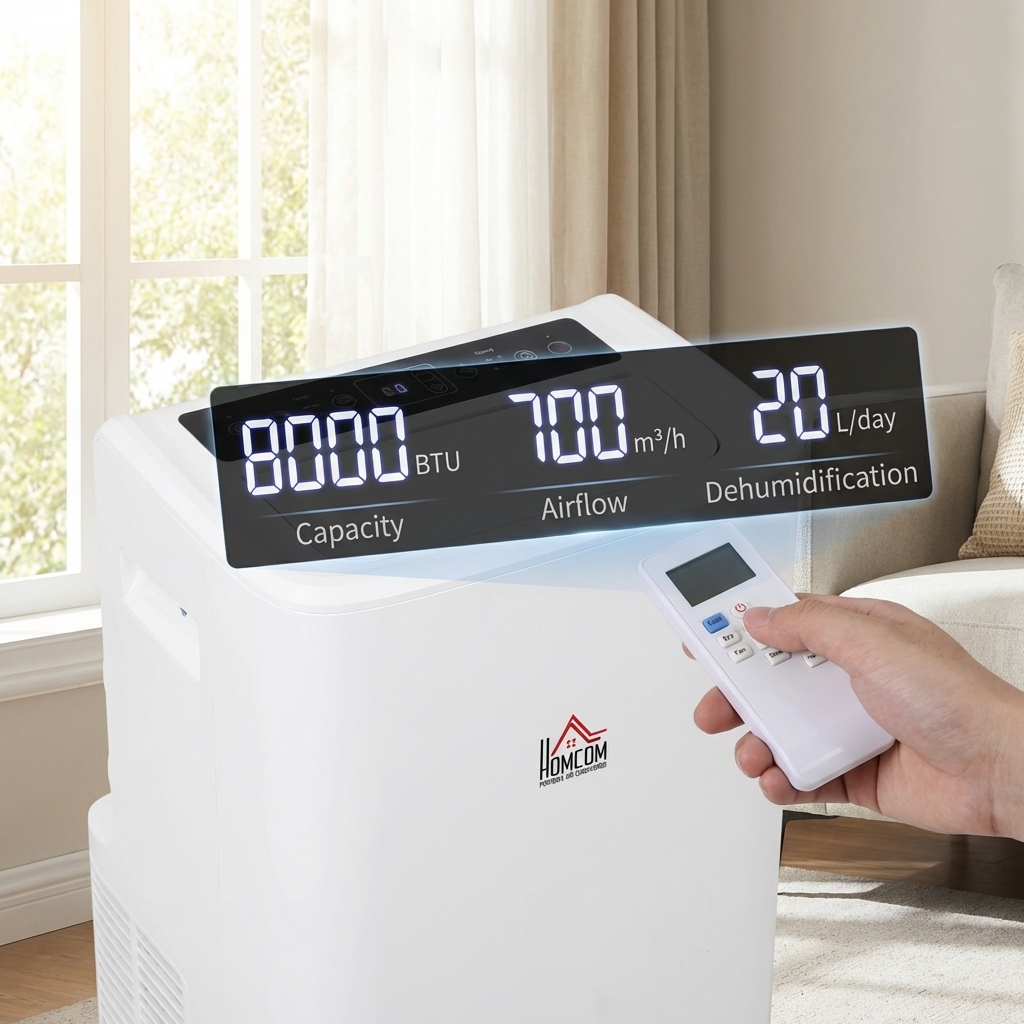
Large capacity figures are easy to treat as a simple ranking. In reality, capacity, airflow, and dehumidification are related but not interchangeable. A unit can move a lot of air and still struggle in a space with high solar gain; another can dehumidify effectively yet feel underwhelming if the airflow path is poor. How to understand HOMCOM air conditioner listings therefore includes a mental check: “Is this number tied to a test condition, or is it presented as a free-floating promise?”
For formal definitions and how energy labels and efficiency metrics are framed in Europe, the European Commission’s energy labelling framework is a useful anchor: https://energy.ec.europa.eu/consumers/energy-labels_en. For Spain-specific consumer guidance on climate control and efficient use in buildings, IDAE (Instituto para la Diversificación y Ahorro de la Energía) provides public information that helps interpret claims in a real home context: https://www.idae.es/.
Where Manuals And Compliance Information Fit
Listings often sit upstream of the documents that actually settle ambiguity. Manuals, rating plates, and conformity information are where exact model naming, safety constraints, and operating limits are normally stated. When a listing and a manual disagree, the disciplined approach is to treat the manual and the unit’s own rating label as the reference points, because they are tied to regulatory obligations and traceability.
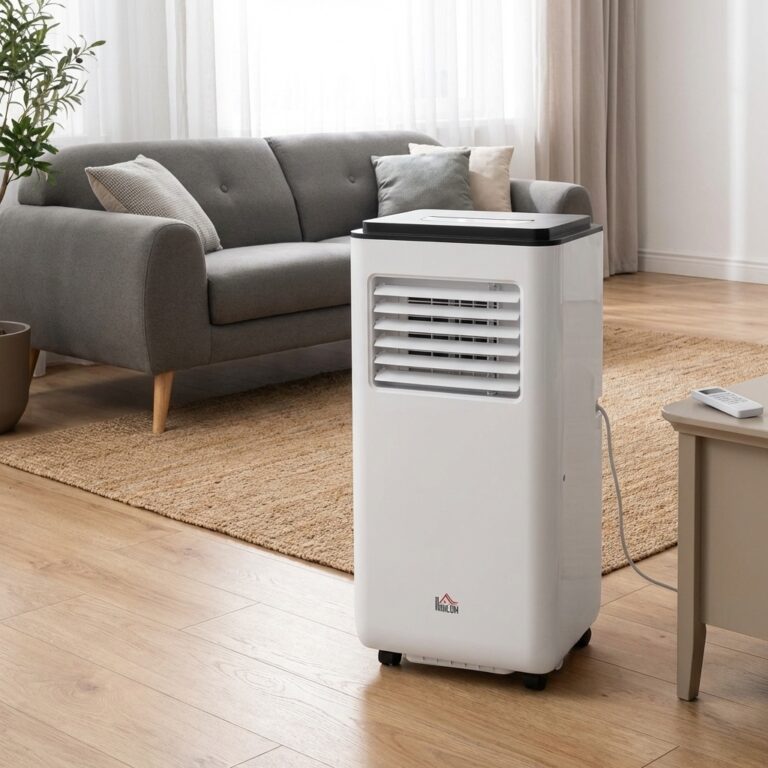
A single example of how this appears in the wild: a HOMCOM 8000 BTU 4-in-1 portable unit may show up with different wording across retailers, while the model and label data remain the practical keys for matching the correct documentation.
How To Understand HOMCOM Air Conditioner Listings Without Overreading The Numbers
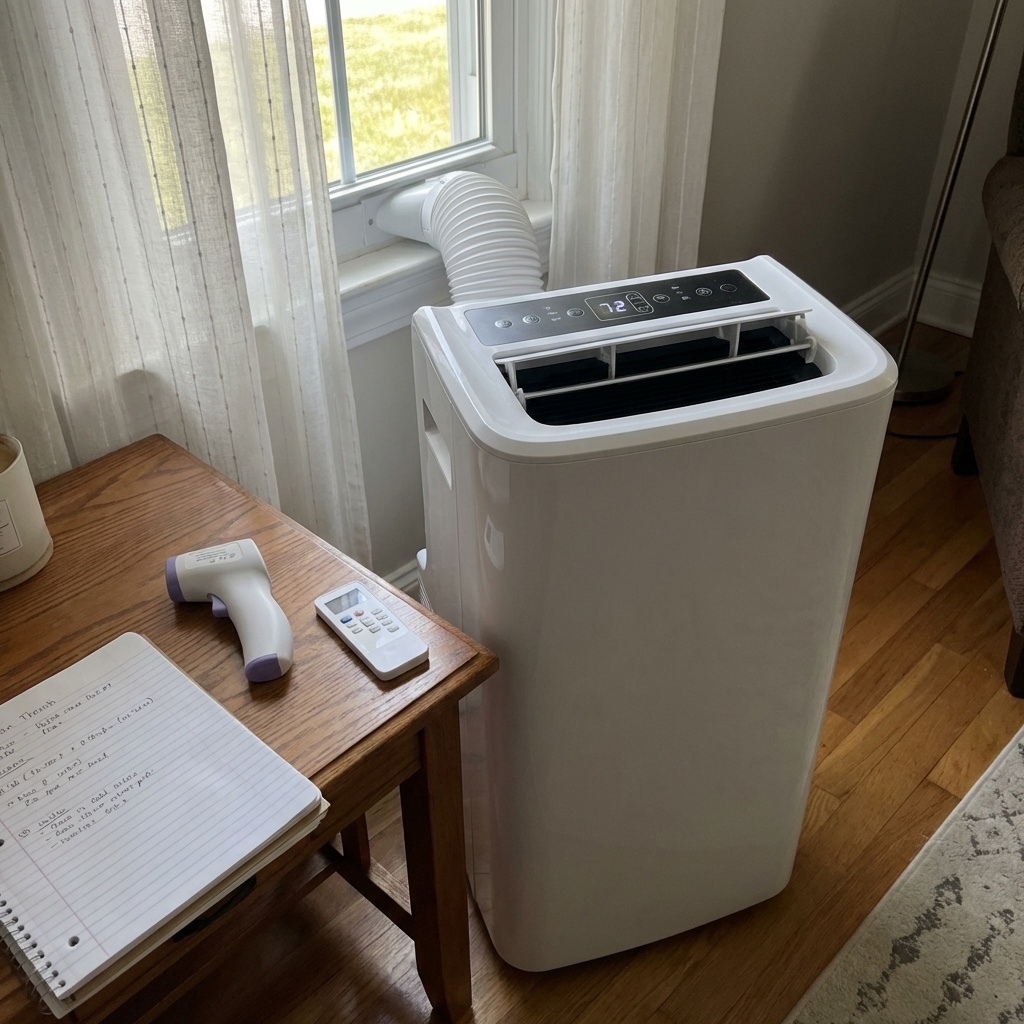
Once the basics are clear, the harder part is separating what a listing can reliably tell from what it can only suggest. With HOMCOM portable air conditioner listings, the most common mistake is treating a single headline figure as a guarantee of comfort. In real rooms, comfort is an interaction: heat gains through windows, the number of occupants, internal electronics, shading, and how well warm air is expelled all change outcomes. A rating that looks “large enough” on paper can feel underpowered if the room has strong solar gain, and a smaller rating can feel adequate in a shaded space with good airflow management.
That is why “how to understand HOMCOM air conditioner listings” is less about memorising terms and more about reading for constraints. Listings tend to present idealised capacity and then place the limiting assumptions in the details: installation requirements, ventilation path, and acceptable ambient conditions. Those constraints are where performance typically shifts first.
Capacity Claims, Room Size, And The Hidden Role Of Heat Gain
When a listing states a maximum room area, treat it as a scenario, not a boundary. Area alone ignores ceiling height, insulation quality, and solar exposure. A portable air conditioner listing may imply suitability for a given square metre value, yet two rooms of equal floor area can behave very differently.
Several conditions tend to push real demand upward:
- Strong solar gain through large or unshaded glazing, which increases heat load quickly in the afternoon.
- High internal gains from cooking, multiple occupants, or persistent electronics, which can keep temperature elevated even after the sun drops.
- Air leakage from poorly sealed openings, which continuously replaces cooled air with warmer outdoor air.
In other words, understanding HOMCOM portable air conditioner listings often means translating “room size” into a more realistic mental model: heat coming in versus heat being removed, minute by minute.
Installation Notes That Quietly Determine Results
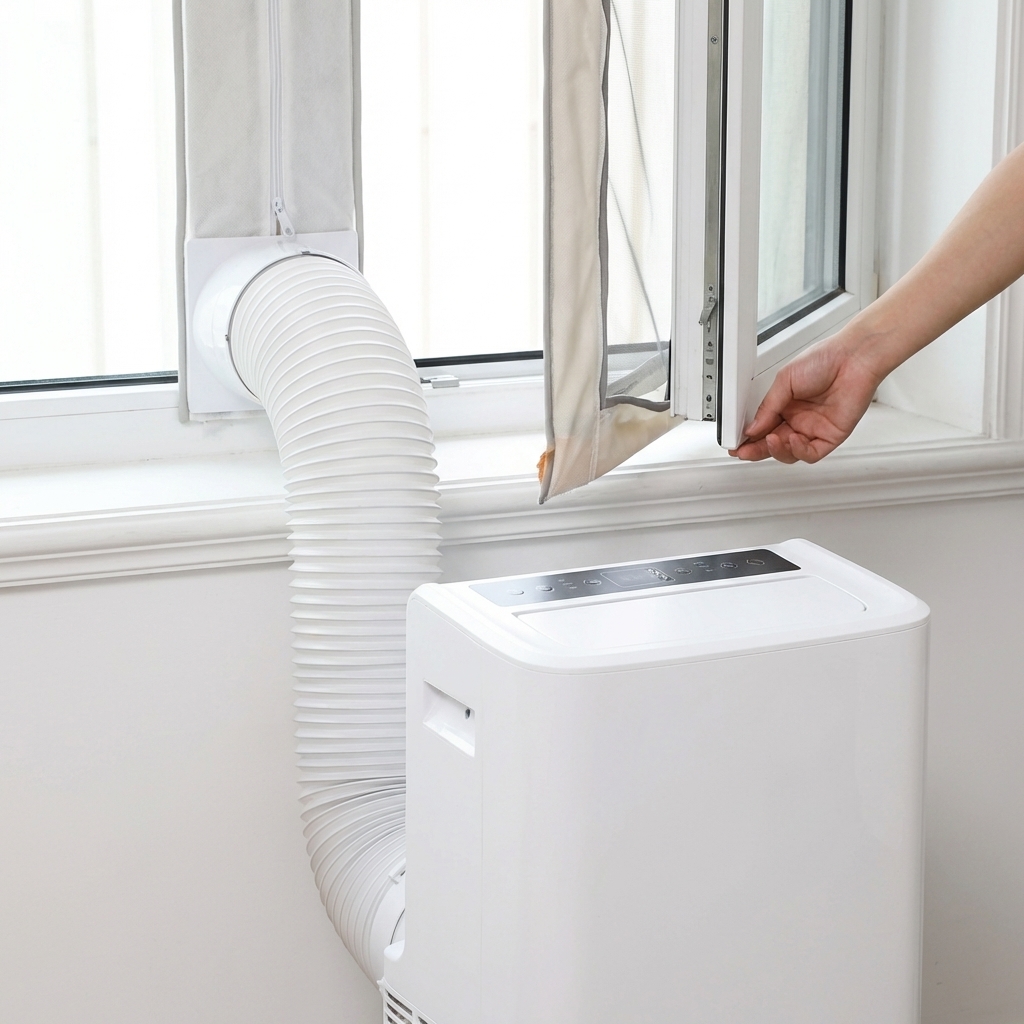
Portable systems depend heavily on how exhaust air is handled. If the warm exhaust is not effectively directed outside, the unit can end up reheating the same space it is trying to cool. Listings usually mention a window kit or venting method, but they rarely emphasise that imperfect sealing around the opening can reduce net cooling and raise energy use.
Pay attention to wording that signals sensitivity to setup: references to window compatibility, hose length constraints, or the need to keep bends minimal. These are not minor conveniences; they are often the difference between stable comfort and a unit that cycles or struggles under load. Guidance on safe operation and installation principles can be cross-checked with UK public safety advice from the Health and Safety Executive, particularly where ventilation and electrical safety are involved.
Dehumidification And Comfort: Why “Dryer” Can Feel Cooler
Listings that include dehumidifying modes can be misunderstood as a secondary feature. In humid conditions, reducing moisture can improve perceived comfort even if air temperature changes modestly. However, dehumidification performance is also context-dependent: it varies with humidity levels, temperature, and how often doors are opened.
It helps to treat moisture control as a comfort stabiliser rather than a substitute for cooling capacity. For background on why humidity affects thermal comfort and indoor conditions, the NHS provides accessible guidance on heat, indoor conditions, and health protection during warm periods.
Energy Labels, Running Patterns, And What Listings Rarely Clarify
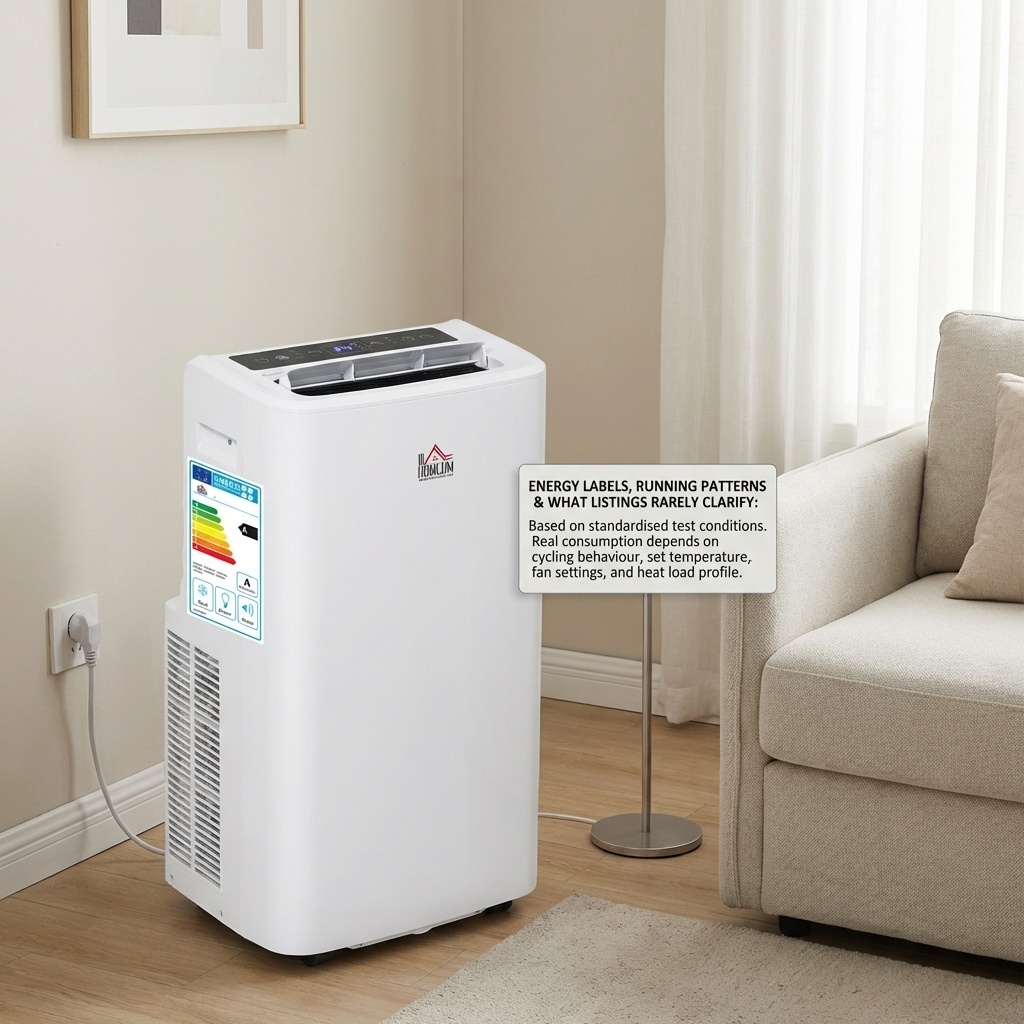
Energy efficiency statements in a HOMCOM portable air conditioner unit listing can be read too literally. Labels are based on standardised test conditions; real consumption depends on cycling behaviour, set temperature, fan settings, and the heat load profile of the room. A unit in a room that continuously gains heat may run close to continuously, while the same unit in a shaded space may cycle and use less energy.
One practical way to interpret listing information is to look for signals of control flexibility—timers, multiple modes, and fan steps—not as “extras,” but as tools that shape running patterns. UK energy guidance from the UK Government can help contextualise how appliance energy use varies with behaviour and settings.
A single contextual example: a listing for a HOMCOM 8000 BTU portable unit may quote a room-size figure, but the real outcome still hinges on heat gain and exhaust setup more than the headline number.
How To Understand HOMCOM Air Conditioner Listings Without Over-Reading Single Numbers
When trying to follow how to understand HOMCOM air conditioner listings, the most common misstep is treating one headline specification as a complete description of performance. Listings compress technical information into short fields, and those fields rarely explain the assumptions behind the number: test conditions, room heat gain, insulation quality, sun exposure, or how often doors are opened. The result is that two listings can look comparable on paper while behaving differently once real rooms and real weather are involved.
A more reliable approach is to read listings as a set of constraints rather than promises. Capacity, energy figures, airflow, and noise are not independent; they trade off. Higher airflow can increase perceived cooling speed but may come with higher sound output. Efficiency statements can depend on operating mode and ambient conditions. Even the stated room size is typically a simplified guide, not a guarantee.
- Room-size claims tend to assume average ceiling height and moderate heat load; they can feel optimistic in top-floor rooms, strong afternoon sun, or poorly insulated spaces.
- Energy and efficiency labels describe performance under standardised tests; real consumption changes with thermostat setting, humidity, and how hard the system must work to maintain temperature.
- Noise figures are often measured at a specific distance and mode; perceived loudness also depends on room acoustics, placement, and whether the sound is steady or cycling.
For background on how energy labels and test standards frame these numbers, the European Commission’s overview of energy labelling is a useful reference point: https://energy-efficient-products.ec.europa.eu/product-list/energy-label-and-ecodesign_en
Portable Air Conditioner Listings: Where Misunderstandings Usually Start
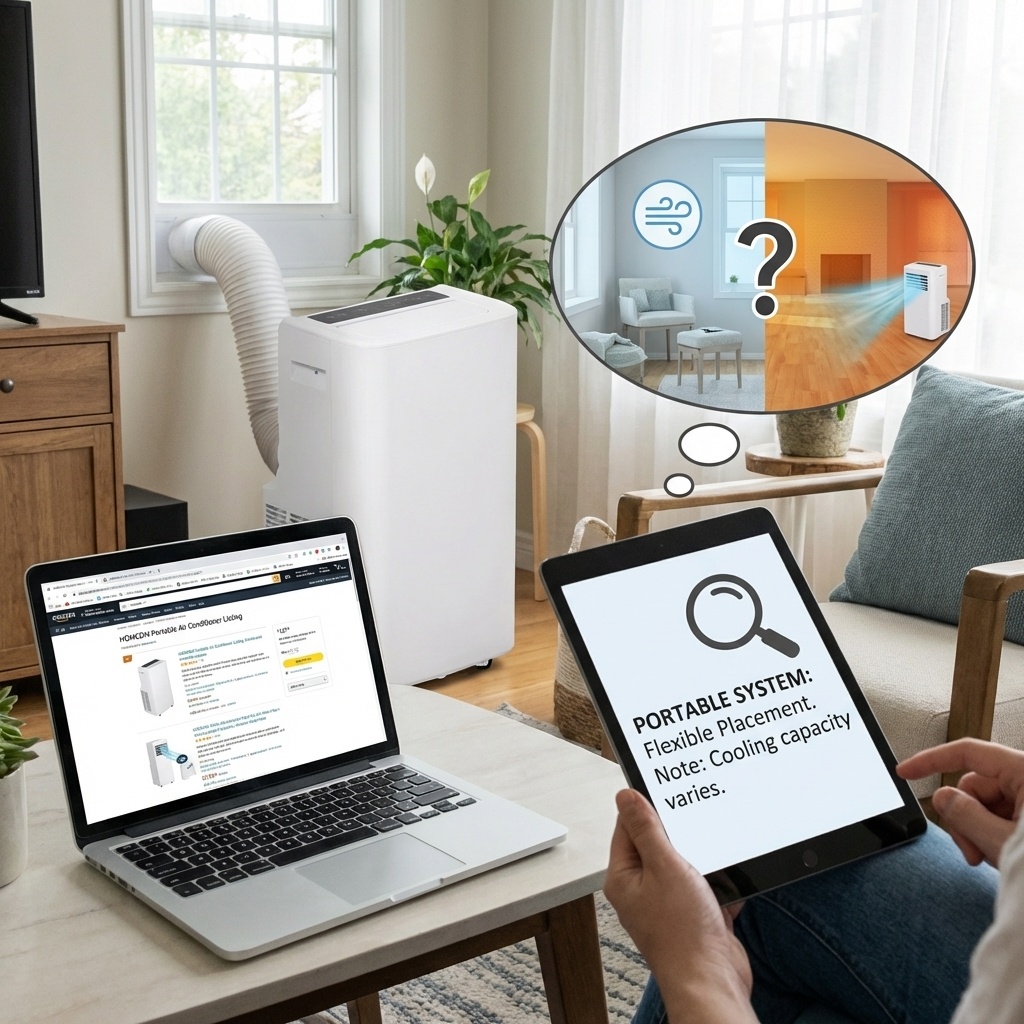
Many people searching how to understand HOMCOM air conditioner listings are actually trying to resolve a mismatch between what they expect a “portable” system to do and what the format can realistically deliver. The word “portable” describes form factor and placement flexibility, not a universal performance class. Listings may also combine multiple operating modes into one headline, which can make it easy to assume that every mode has the same cooling impact or efficiency.
Another frequent confusion is ventilation language. In listings, “venting” can be used in a broad consumer sense, but in building science, ventilation has a specific meaning related to exchanging indoor and outdoor air. If a listing is unclear, it is safer to interpret mode names as operational settings rather than as guarantees of indoor air quality outcomes. For a grounded definition of ventilation and indoor air concepts, the World Health Organization’s indoor air guidance is a solid starting point: https://www.who.int/teams/environment-climate-change-and-health/air-quality-and-health/household-air-pollution
How To Read Listing Language Like A Manual, Not A Promise
How to understand HOMCOM air conditioner listings becomes easier when the text is read the way a technician would read a label: as a map of limits, required conditions, and compliance statements. Words like “up to,” “ideal,” and “maximum” are not marketing flourishes; they are signals that the figure depends on a boundary condition. If that boundary is not met, the number should not be used as an expectation.
It also helps to separate three layers of information: what the unit can do (functional modes), what it tends to do efficiently (performance under standard conditions), and what a room demands (heat and moisture entering the space). Listings mainly cover the first two layers; the third is on the user to infer from the space itself.
FAQ: Understanding The Brand Query And Search Results
Why Do Searches For How To Understand HOMCOM Air Conditioner Listings Often Lead To PDFs And Support Pages?
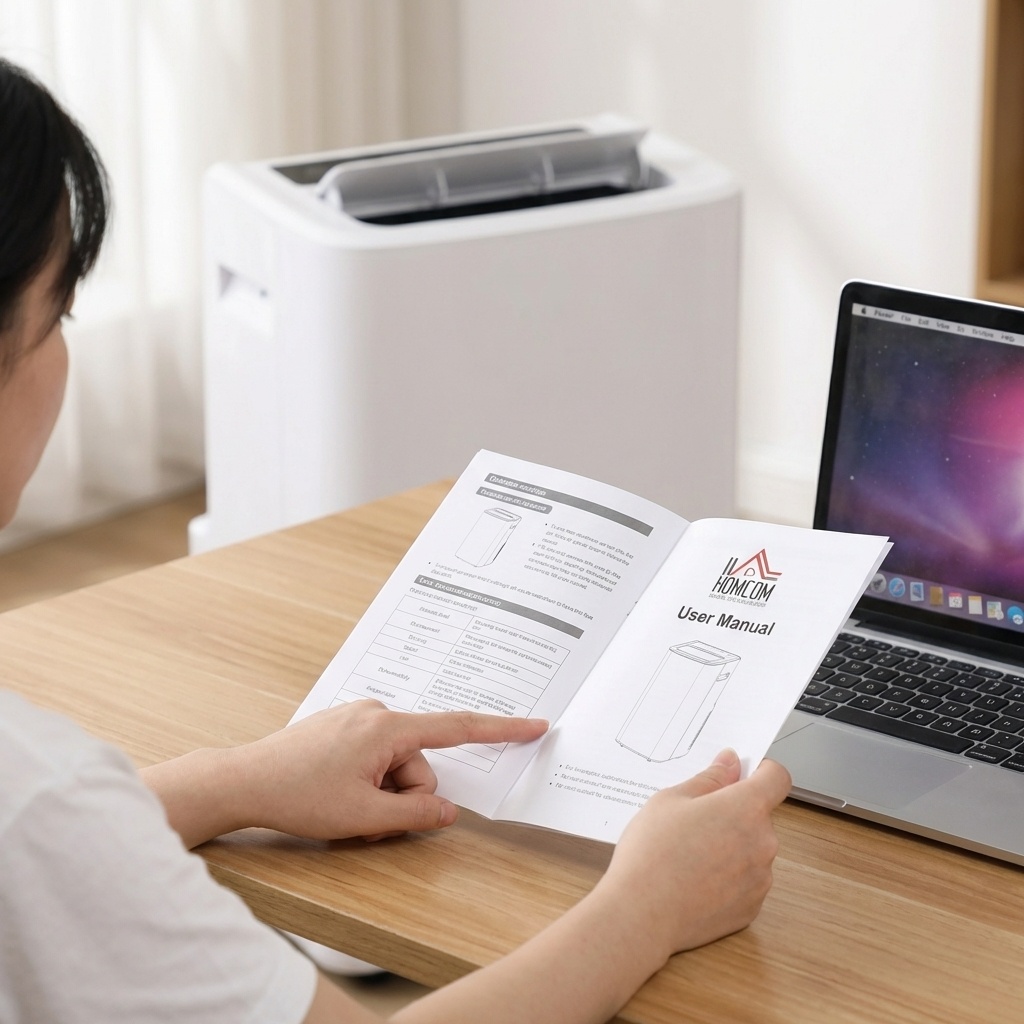
Because many listing questions are really documentation questions: what a code means, what a mode label implies, or what conditions a claim assumes. PDFs typically contain the missing definitions and the operating constraints that listings cannot fit.
How Can Official Documentation Be Distinguished From Reposted Copies?
Official documents usually show consistent branding, revision identifiers, and contact or compliance information, and they are hosted on a domain clearly linked to the manufacturer or parent company. Reposted copies can be accurate, but they may be outdated or missing pages.
Why Do Two Pages Describe The Same Specification In Slightly Different Words?
Listings are often written for brevity, while manuals and regulatory text must be precise. Different wording can reflect different purposes rather than a true contradiction, especially when “typical” versus “maximum” is implied.
Is A Stated Room Size A Guarantee Of Comfort?
No; it is best treated as a rough planning cue. Comfort depends on heat gain, humidity load, layout, and how the space is used, which a listing cannot fully capture.
What Is The Most Reliable Way To Resolve Confusion When A Listing Seems Unclear?
Prioritise the document hierarchy: regulatory label information and the manual’s definitions usually outrank short listing bullets. When a term is ambiguous, assume it is a simplified label for a mode rather than a broad claim about indoor conditions.