HOMCOM Wingback Reclining Armchair for Living Room
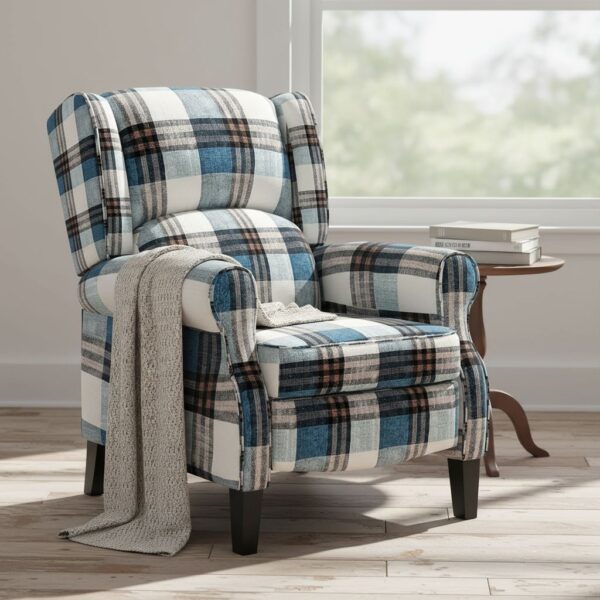
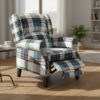
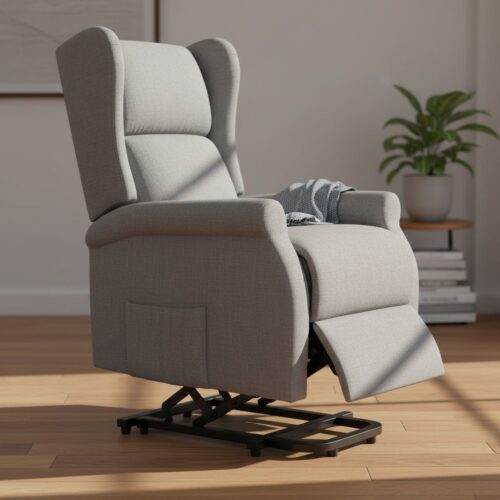
The HOMCOM Wingback Reclining Armchair for Living Room is a pushback recliner designed to bring supportive, everyday comfort to a living room corner, reading spot, or TV area. Its wingback silhouette helps frame the upper back and shoulders, while the manual reclining mechanism and integrated footrest let the sitting posture shift from upright to a more relaxed position without complicated controls.
Key characteristics of HOMCOM Wingback Reclining Armchair for Living Room
- Wingback backrest supports shoulders and helps reduce drafty sensations
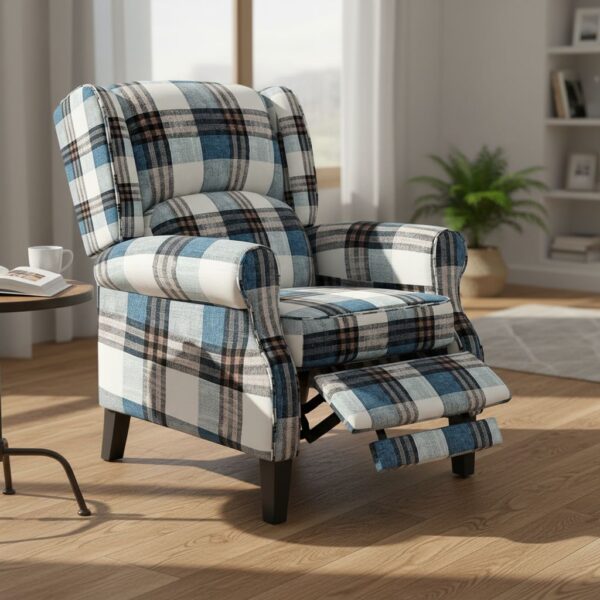
- Manual pushback recline with integrated footrest for leg elevation
- Rounded padded armrests encourage relaxed forearm positioning while seated
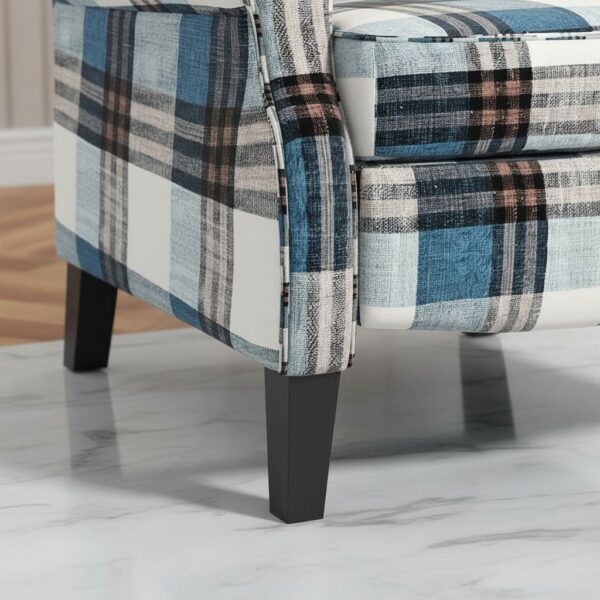
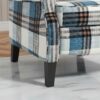
- Rubber wood legs provide stable contact and a traditional furniture look
- Compact single-seat form suits reading corners and smaller lounge layouts
Overview of HOMCOM Wingback Reclining Armchair for Living Room
As a Wingback Reclining Armchair for Living Room by HOMCOM, the design balances classic proportions with practical recliner function. The wingback sides are not only a style feature; they also create a more “contained” sitting feel, which many adults find helpful for settling into longer sessions of reading or watching television.
Because it is a pushback recliner, the recline is driven by body weight and a controlled backward lean. This style typically suits people who prefer fewer moving parts and a cleaner look around the side profile, since there is no external lever. The trade-off is that it works best when there is enough clearance behind the chair for the backrest to move.
From an ergonomics standpoint, the key value of a recliner like this is posture variation. Shifting between upright and reclined positions changes pressure distribution across the seat and back, and elevating the legs can reduce the feeling of lower-limb fatigue during sedentary periods. For many living-room routines, that adjustability is what makes a recliner more usable than a fixed accent chair.
Benefits of HOMCOM for day-to-day comfort and posture changes
The HOMCOM Wingback Reclining Armchair is built around a simple idea: make it easy to alternate between active sitting and resting. In an upright position, a wingback chair tends to encourage a more centred back contact, which can feel more supportive than low-back accent chairs that leave the shoulder blades “floating.” When reclined, the contact area increases, which may feel more relaxing for the upper back.
The rounded, padded armrests matter more than they seem. Armrests that are comfortable and properly placed help the shoulders stay down and relaxed, rather than tensed and lifted. Over time, that can make seated activities—reading, handheld gaming, or scrolling—feel less tiring through the neck and upper trapezius area.
Leg elevation via the integrated footrest is another practical benefit. Raising the legs can reduce pressure under the thighs and shift load away from the feet and ankles. This is especially useful in living-room use where people naturally stay seated longer than they would at a dining chair.
Finally, the single-seat footprint helps with room planning. A recliner that stays visually tidy can be easier to integrate into mixed seating layouts (sofa plus occasional seating), where an oversized chair can dominate circulation space. The HOMCOM Wingback Reclining Armchair for Living Room is therefore well suited to creating a defined “one-person comfort zone” without rearranging the whole room.
Materials and construction details of HOMCOM Wingback Reclining Armchair for Living Room
Structurally, the chair uses rubber wood legs, a material valued in furniture for its stable, durable character and consistent grain. In daily use, well-made wooden legs help reduce rocking or micro-movement during sit-to-stand transitions, which is often where a chair feels least secure.
The pushback reclining mechanism is integrated within the chair body, keeping the exterior profile clean. With manual recliners, the feel of the mechanism typically depends on balanced resistance: it should not collapse backward too easily, but it should also not require a sudden forceful shove. The aim is controlled movement so that the user can stop at a comfortable recline point and return upright smoothly.
On comfort build-up, the chair’s padded surfaces (seat, backrest, and armrests) influence pressure distribution. A well-padded seat helps reduce “hot spots” at the sit bones, while backrest padding supports longer contact time without feeling overly rigid. The wingback side panels add a subtle lateral boundary, which can feel more comfortable when leaning slightly to one side.
Because the product is presented as a living-room recliner chair with footrest and rounded armrests, it is most effective when placed where the recline can be used regularly—ideally with a small clearance behind the back and enough space in front for the footrest to extend fully. That layout consideration is part of construction logic: a recliner is only as practical as the space that allows it to move.
How to use HOMCOM Wingback Reclining Armchair for Living Room in a living-room setup
Place the HOMCOM Wingback Reclining Armchair for Living Room on a level surface so all rubber wood legs sit evenly. If the chair is used on hard flooring, a rug or floor protector can help reduce sliding during recline transitions and protect the floor finish.
To recline, sit back with hips centred on the seat, keep feet planted, and lean your upper body backward in a controlled motion. The pushback action should engage the recline and bring the footrest up as the backrest moves. Avoid using the armrests as the primary pushing surface for recline; it is better to use body weight through the backrest to keep the motion even.
To return upright, shift the torso forward slightly and bring the legs down with control as the mechanism resets. For comfort, aim to keep the lower back in contact with the backrest when upright, and adjust your distance from the back so the shoulders feel supported rather than perched at the edge.
For longer sessions, vary position every so often: spend time upright for more active tasks (conversation, reading notes), then recline for rest. This alternation is one of the most practical ergonomic advantages of a manual recliner chair for living room use, particularly in households where the same seating spot is used for multiple activities throughout the day.
Technical specifications of HOMCOM Wingback Reclining Armchair for Living Room
| Feature |
Details |
| Brand |
HOMCOM |
| Product category |
Seating |
Frequently asked questions about HOMCOM Wingback Reclining Armchair for Living Room
HOMCOM Wingback Reclining Armchair for Living Room is a manual recliner armchair for adults designed for living-room use, with a pushback reclining action and a coordinated footrest. As with any manual reclining chair, comfort and long-term usability depend on correct positioning, allowing enough clearance behind the backrest, and using the padded armrests for stable entry and exit. The questions below focus on day-to-day handling, ergonomics, assembly expectations, and care for the upholstery and wooden legs.
How do you recline HOMCOM Wingback Reclining Armchair for Living Room safely?
To recline, sit back fully so the pelvis is supported, keep both feet planted, and apply steady pressure through the upper back to engage the pushback mechanism. Avoid “dropping” into the recline, as sudden force can stress the reclining joint over time. Ensure there is clear space behind the chair so the backrest can tilt without contacting a wall. When returning upright, lean slightly forward and control the movement with body weight rather than pushing hard on the padded armrests, which helps keep the motion smooth and stable.
Is Wingback Reclining Armchair for Living Room by HOMCOM suitable for long TV or reading sessions?
For longer sessions, the key is changing posture periodically and using the wingback-style sides for head and shoulder support rather than holding the neck forward. A manual recliner armchair for adults typically feels best when the lower back is supported and the feet are elevated to reduce pressure behind the knees; small adjustments in hip position can make a noticeable difference. If the seat feels firm after extended sitting, adding a thin lumbar cushion can improve spinal alignment without compromising the chair’s reclining function.
Does HOMCOM Wingback Reclining Armchair include massage and heat functions?
No massage or heat function is indicated for this specific HOMCOM recliner. This product is a manual pushback reclining chair with a footrest, designed around mechanical reclining rather than powered features. If a “recliner chair with massage & heat” is required, it is important to choose a model that explicitly lists those functions and the related power requirements. For this chair, comfort is achieved through the reclining angle, the wingback profile, and the padded armrest support rather than through built-in warming or vibration.
Is HOMCOM Wingback Reclining Armchair easy to assemble, and what should be checked after setup?
Assembly is typically straightforward for a recliner of this type, but it is worth planning a clear workspace and checking all fixings before first use. After setup, confirm the chair sits level and does not rock, then gently test the pushback recline through its range without forcing it. Pay particular attention to the wooden legs: they should be tightened evenly so the load is shared across all contact points. If the chair is placed on a hard floor, consider felt pads to reduce movement and protect the surface.
What materials are used in HOMCOM Wingback Reclining Armchair, especially the legs?
This HOMCOM Wingback Reclining Armchair uses rubber wood legs, which are valued in furniture for their stability and consistent grain. Rubber wood performs best when kept away from prolonged moisture and when the chair is not dragged across the floor, as lateral stress can loosen fittings over time. The rest of the chair combines a framed structure with upholstered, padded contact areas such as the seat, backrest, and round armrests. For practical comfort, the upholstery benefits from routine dust removal so body oils and grit do not build up in high-contact zones.
How much space should be left around a HOMCOM Wingback Reclining Armchair for living-room placement?
Leave enough clearance behind the chair for the backrest to recline freely; the required gap varies by room layout and how far the user typically reclines, but it should prevent the backrest from touching a wall. Provide side clearance so elbows do not bump furniture when using the padded armrests to sit down or stand up. Also consider front clearance for the footrest extension so it does not interfere with a coffee table. Good spacing improves both safety and comfort, especially in smaller living rooms.
How should Wingback Reclining Armchair for Living Room be cleaned and maintained?
For day-to-day care, vacuum the upholstery with a soft brush attachment to remove dust from seams and the wingback edges, where debris can collect. Treat spills promptly by blotting rather than rubbing, and test any cleaner on an inconspicuous area first to avoid discoloration. For the rubber wood legs, wipe with a slightly damp cloth and dry immediately; avoid soaking or harsh chemicals. Periodically re-check leg tightness and overall stability, particularly if the recliner is used frequently, to keep the manual reclining action feeling controlled and secure.
User experience with HOMCOM Wingback Reclining Armchair for Living Room
Aggregated feedback around HOMCOM Wingback Reclining Armchair for Living Room tends to center on comfort that feels immediately accessible: people describe it as a supportive, living-room-friendly recliner that suits everyday downtime rather than a specialist chair that demands a perfect setup. Across repeated user discussions, the overall perception is that the seat delivers a cozy, enclosed feel thanks to the wingback shape, while the reclining function helps with short rest breaks, evening TV sessions, and low-effort relaxation. Many comments also frame it as a practical piece for mixed-use spaces because it reads like a classic armchair when upright, then shifts into a recliner when needed.
In day-to-day use, the chair is often discussed in terms of how it supports posture during longer sitting. Users commonly focus on whether the back and seat cushioning feel balanced—soft enough to relax into, but structured enough to avoid the “sinking” sensation that can make it harder to stand up. The most consistently positive notes relate to perceived comfort and the sense of personal space the wingback silhouette provides. At the same time, the nuances users bring up are typically about fit and expectations: how the recline angle feels for different heights, how the chair performs in smaller rooms, and how much adjustment range is realistically needed for their routine.
Main strengths reported for HOMCOM Wingback Reclining Armchair for Living Room
- Comfort-forward sitting feel: the cushioning is frequently described as inviting for daily lounging without feeling overly soft.
- Wingback-style support: the higher back and side “wings” are repeatedly linked to a more sheltered, stable sitting experience, especially for reading or watching television.
- Reclining function that encourages short breaks: users often highlight the practical value of being able to shift from upright sitting into a more relaxed position without changing rooms.
Perceived strengths
- Living-room versatility: the HOMCOM Wingback Reclining Armchair is commonly viewed as easy to integrate into typical interiors, working as an armchair first and a recliner second.
- Everyday ergonomics: many discussions emphasize support through the backrest and a seating profile that feels suitable for extended sitting, such as films or casual work on a laptop.
- Convenience details: when side storage is present in this type of chair design, users generally appreciate having small items within reach (for example, remote controls or reading materials), as it reduces the need for extra side tables.
Usage nuances to consider
- Fit is user-dependent: recurring comments suggest the ideal comfort point depends on body height and preferred lounging posture; some people prefer a deeper recline while others value a more upright, supportive angle.
- Space planning matters: users often advise allowing adequate clearance for the recline movement, particularly in tighter living rooms or when placing the chair near a wall or coffee table.
Who tends to benefit most from HOMCOM Wingback Reclining Armchair for Living Room?
This Wingback Reclining Armchair for Living Room is most often discussed as a good match for adults who want a straightforward recliner experience focused on comfort, routine relaxation, and a supportive seat profile. It tends to suit people who alternate between upright sitting (conversation, reading, casual browsing) and short reclined sessions (resting legs, decompressing after work). It is also frequently mentioned as a sensible choice for households that want a chair that looks like a classic armchair in the room, rather than an oversized lounge piece that dominates the layout. For users who prioritize a “nesting” feel—supported upper back and a more enclosed silhouette—the wingback shape is repeatedly cited as a reason it feels calming and stable in everyday use.
Recurring perception: comfortable, supportive, and easy to live with—provided the room layout and personal fit expectations are considered.